Landschaft und Illusion
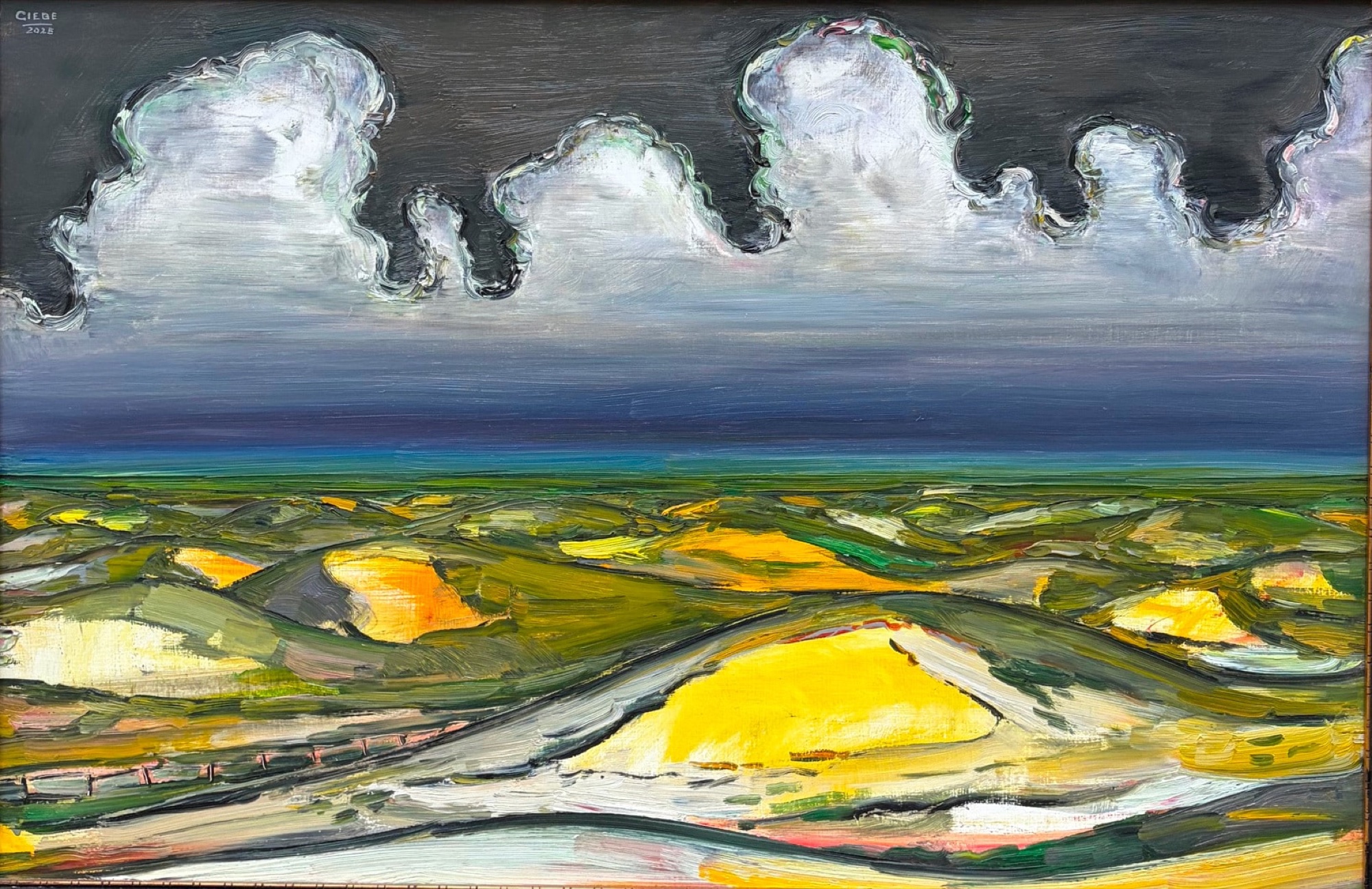
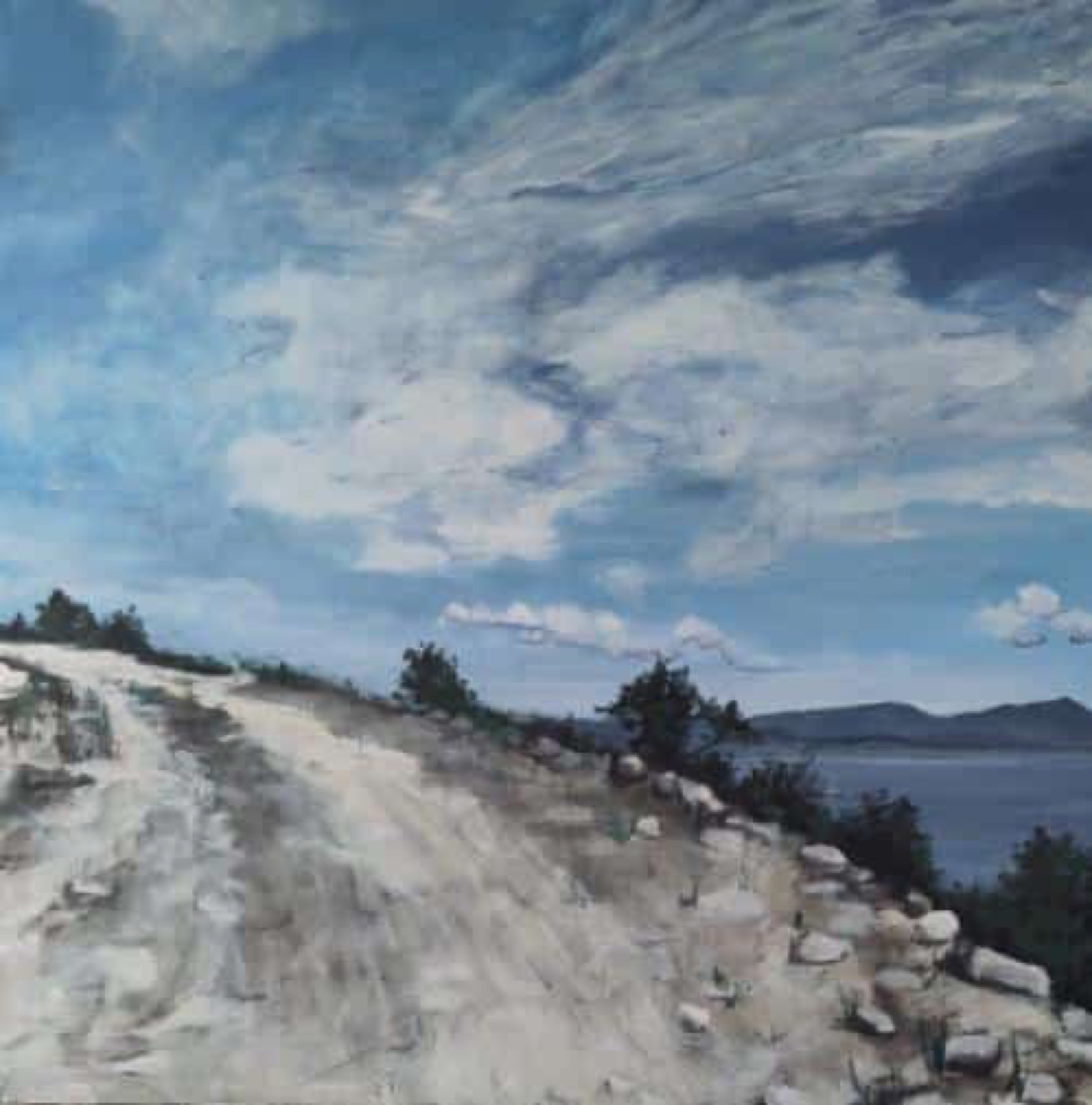
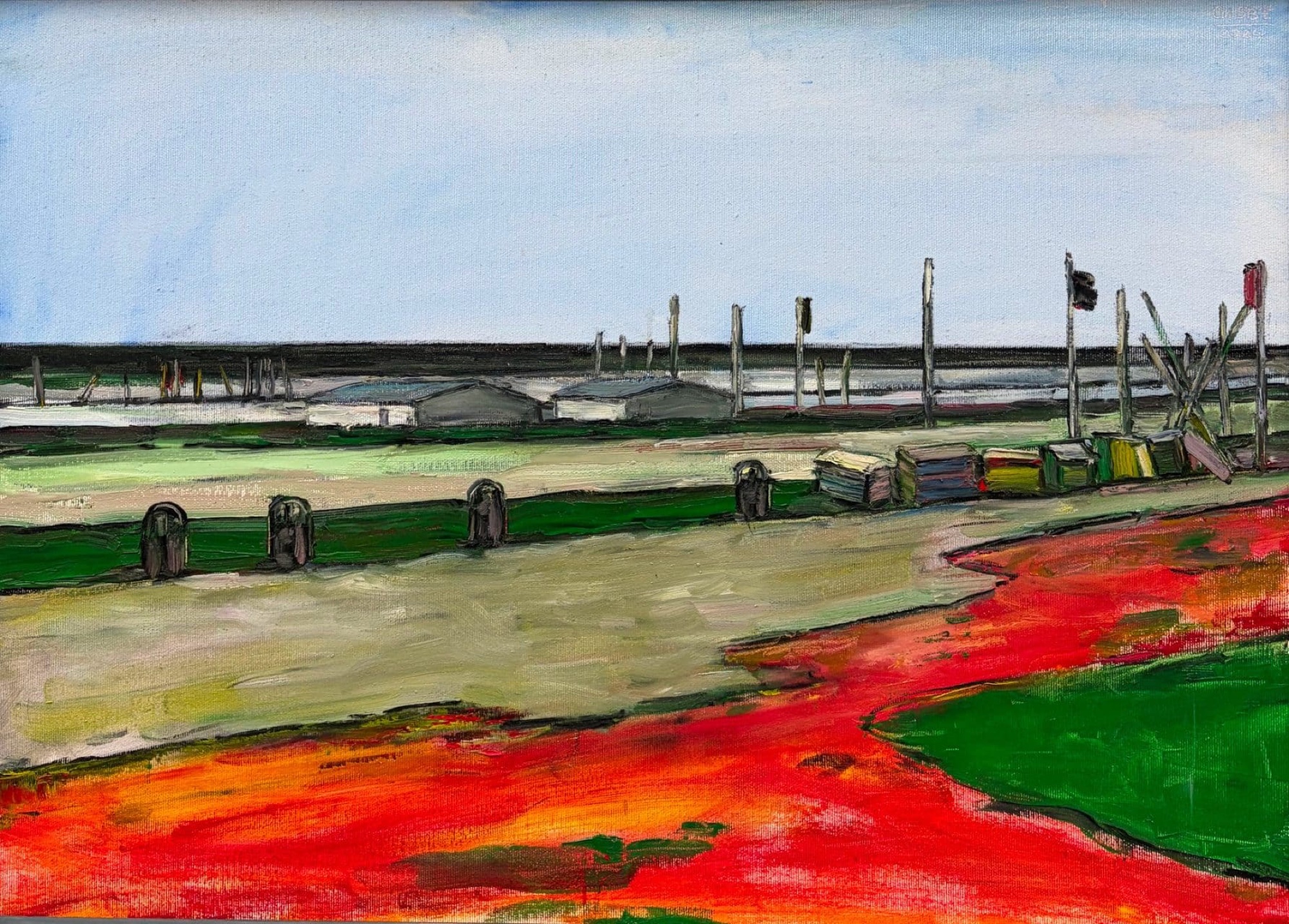
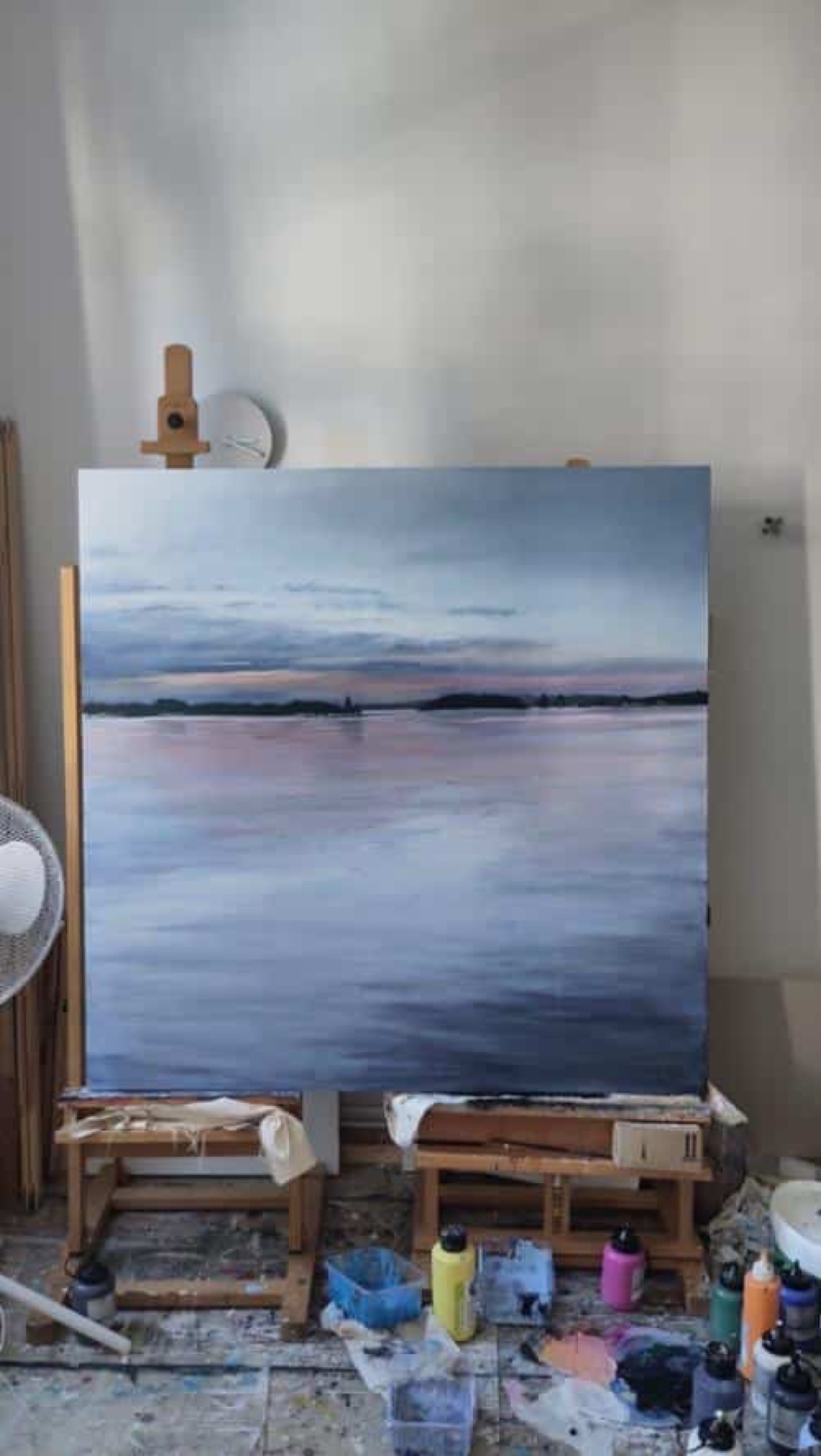
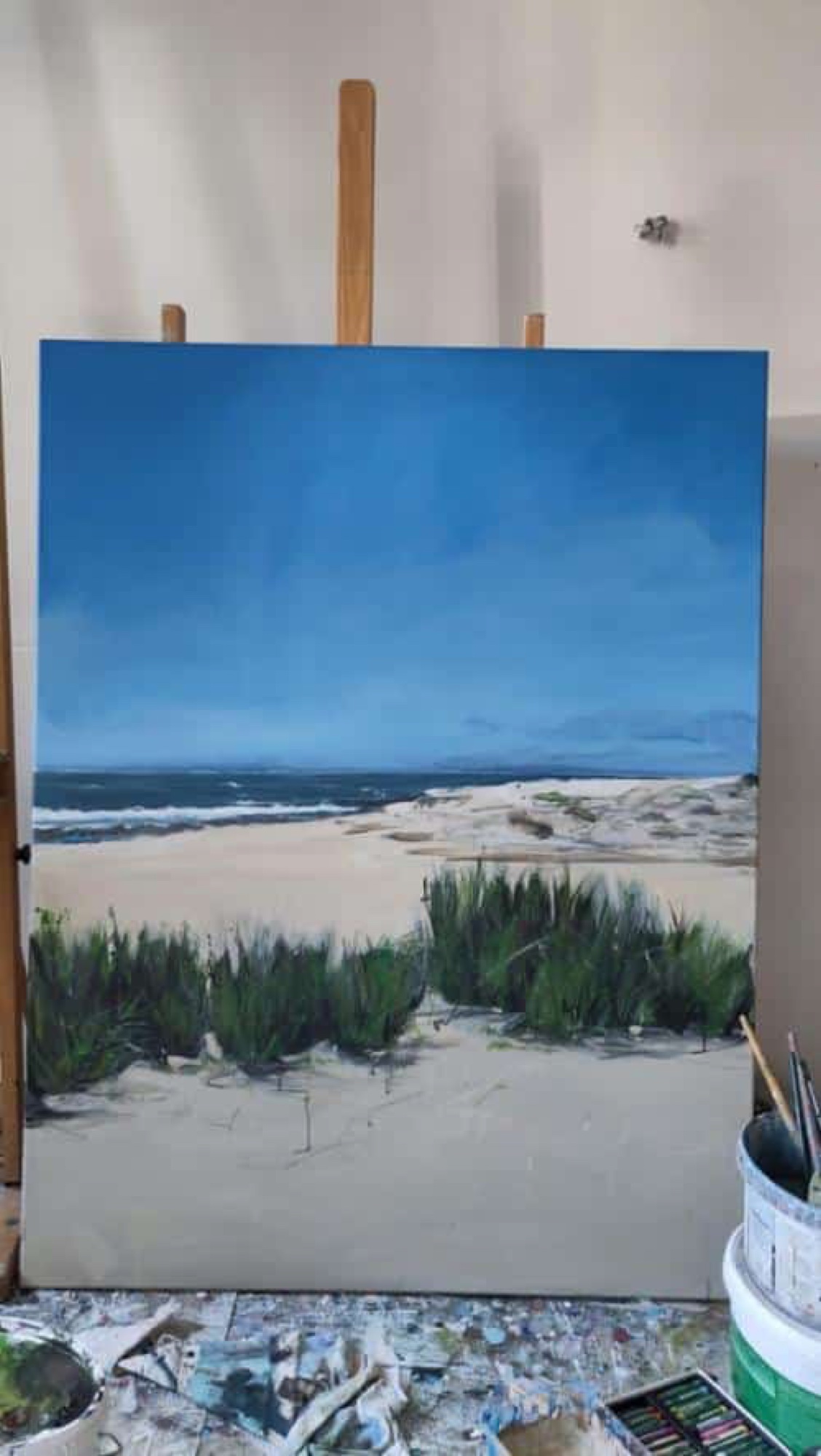
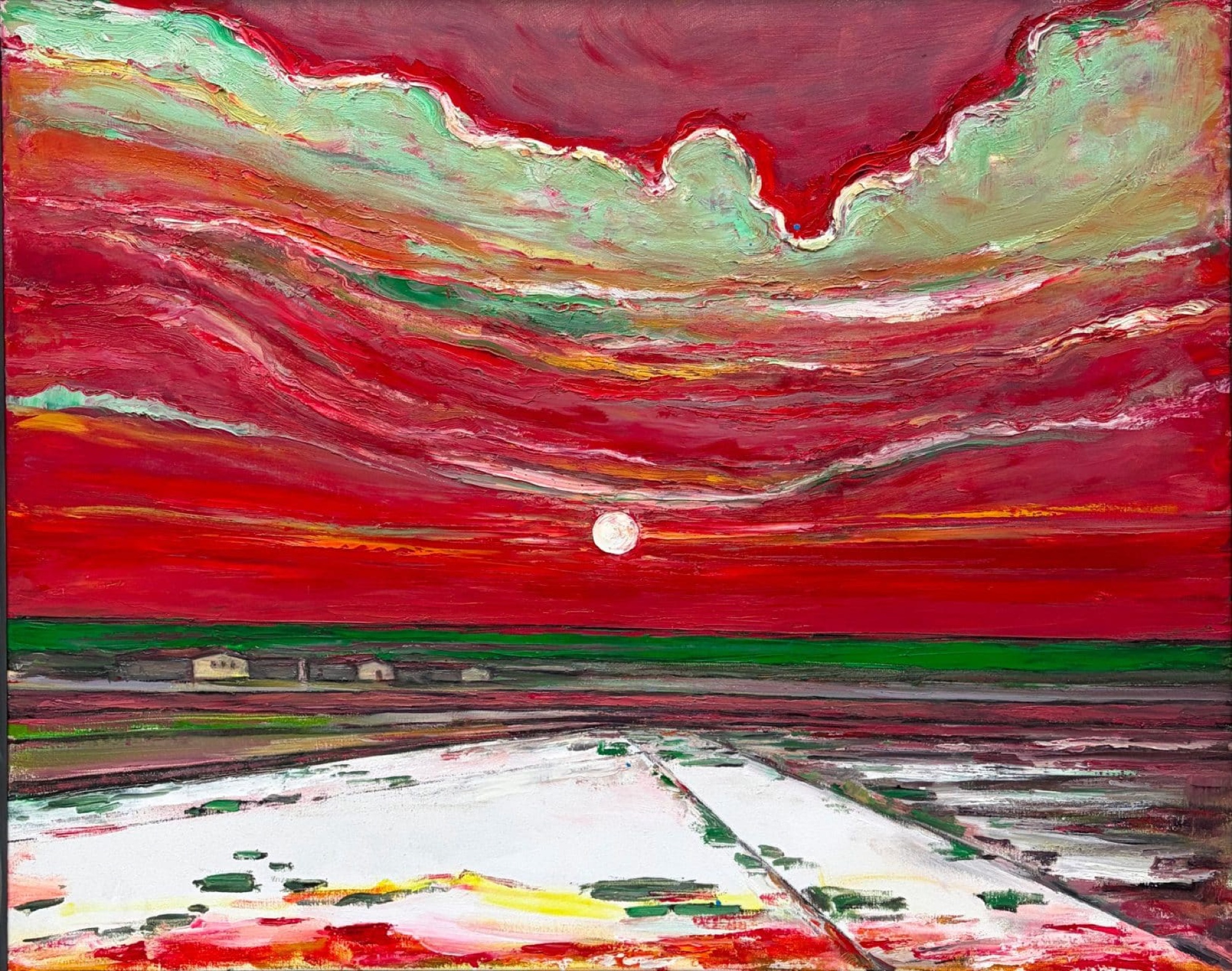
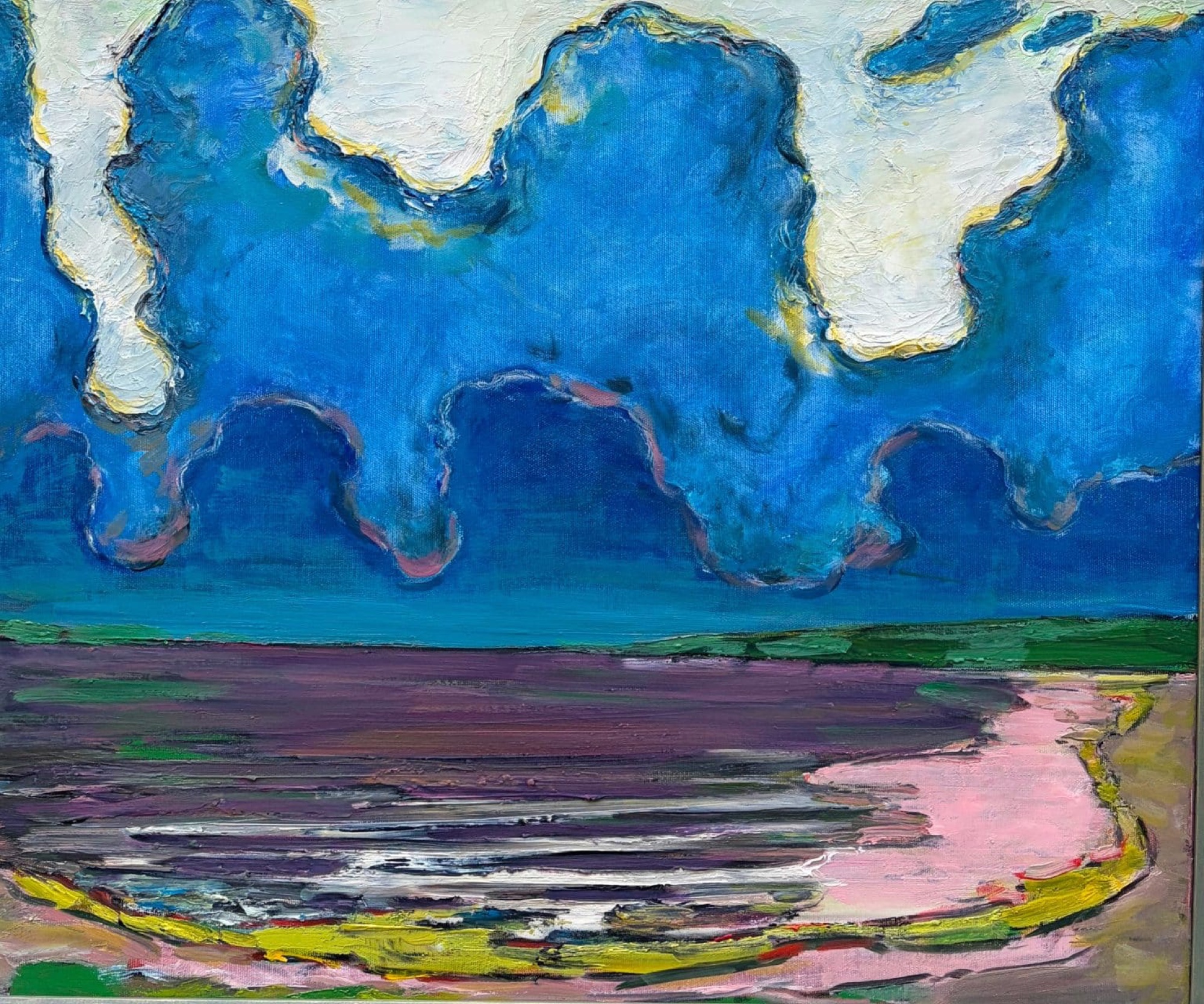
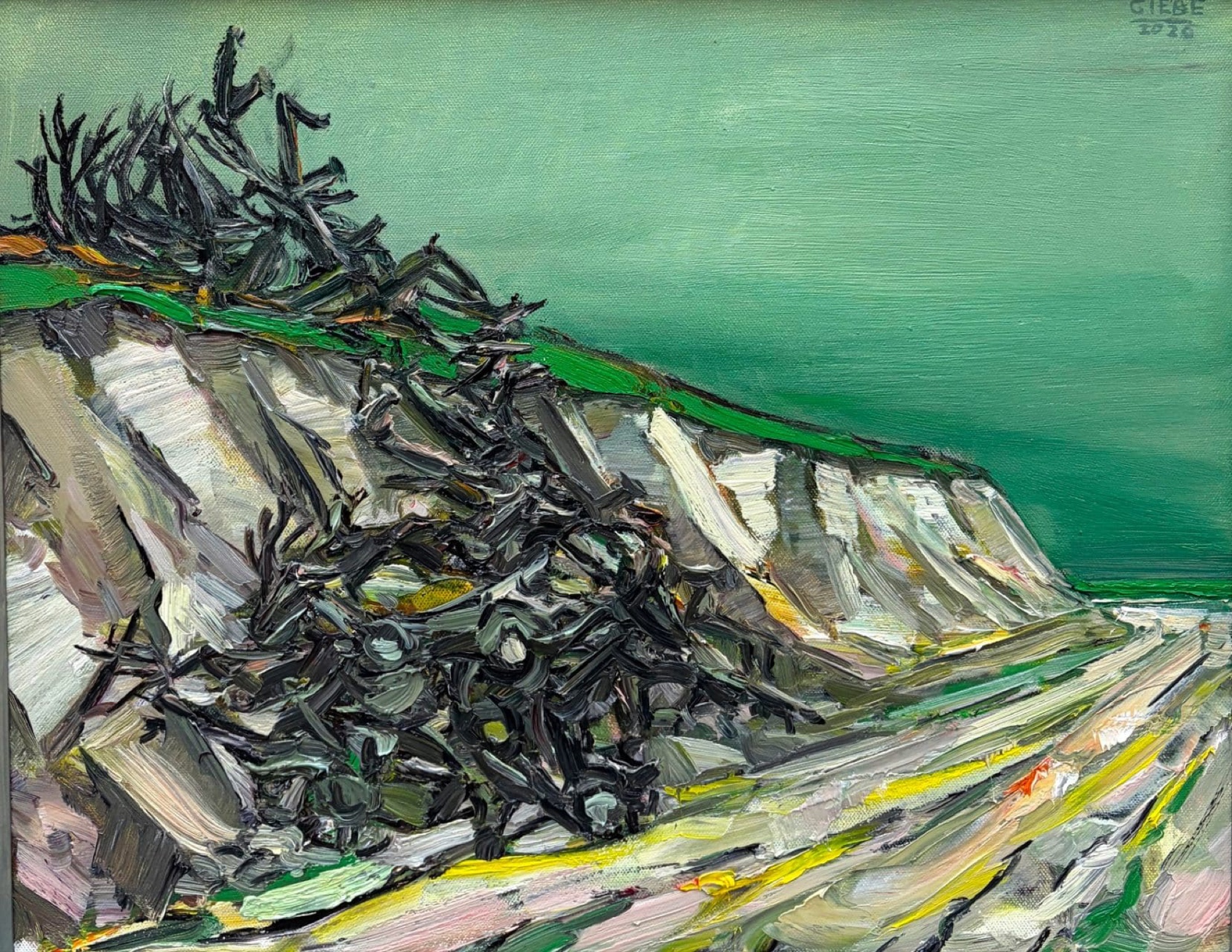
Bild 1: Hubertus Giebe, Dünen bei Zandervoort, 60 x 89,5 cm, 2025, Courtesy JRGallery Bild 2: Karoline Kroiss, Weiße Straße, Acryl auf Leinwand, 122 x 122 cm, 2025, Courtesy JRGallery Bild 3: Hubertus Giebe, Baracken, Öl auf Leinwand, 50 x 70 cm, 2024, Courtesy JRGallery Bild 4–8: Karoline Kroiss, Hubertus Giebe, Courtesy JRGallery
It is impossible to describe an illusion. We may perceive an experience as an illusion, but we cannot perceive the illusion simutaneously. Just test this for yourself in the exhibition: you might approach a landscape painting closely to study how the brushstrokes on the canvas shift as the distance changes, or, conversely, you might lose yourself in the image, surrendering to the painting in all its complexity. The techniques of painting and representation allow the viewer to transition from one mode of perception to another, however never both at the same time.
What is also entertaining about this exhibition is the juxtaposition of the painting style of the two artists. We showed works by Karoline Kroiss for the first time in Berlin when she was still a student of Dieter Hacker. The photorealistic style, which was making waves at the time, is also known from the Dresden artist Gerhard Richter from his time in Düsseldorf. Hubertus Giebe, on the other hand, was a student of Bernhard Heisig in Leipzig, whose paintings hung in Berlin's Gropiusbau in a highly impressive way and of tremendous painting power when the Wall fell. We exhibited Hubertus Giebe in our gallery for the first time in 1990. To see his painting style now next to that of Karoline Kroiss traces the changing image of German contemporary painting on a wide variety of levels. Giebe was exhibited in our gallery for the first time in 1990. To see his painting style now next to that of Karoline Kroiss traces the changing image of German contemporary painting on a wide variety. Our exhibition concept goes one step further and describes another phenomenon of painting, which the Swiss art historian Heinrich Wölfflin described more than a hundred years ago as follows: "All pictures owe more to other pictures than they owe to direct observation."
When the German art exhibition on the 20th century took place in London in the 1980s, a group of German artists went to the National Gallery. In front of a Titian they admired his ability to paint rocks. After that, rock paintings were created in the studios. John Constable, the great innovator of landscape painting, describes landscape paintings as "experiments in natural philosophy", reminding us that art does not please us because it deceives us, but because it reminds us of something. While Oscar Wilde said: "There was no fog in London before Whistler painted it."
To what extent the image that was formed in the artist's mind during painting corresponds to reality is unimportant. Rather, we see "a piece of nature viewed through a temperament" (Emil Zola). The Impressionists showed us what happens when unexpected impressions evoke greater complexity. It also causes us to no longer separate what we see and what we know. A spot on the canvas seen up close can be recognized as a mountain in the distance. The stain changes its meaning. Ernst Gombrich: "This change explains the paradox that the world never looks like a picture, while a picture can look like the world." And this triggers the most beautiful illusions.
Karoline Kroiss and Hubertus Giebe will be present at the exhibition opening.
We are looking forward to seeing you and to welcome you with an introduction to the exhibition at 7 p.m.