Horsehair takes a long time to burn
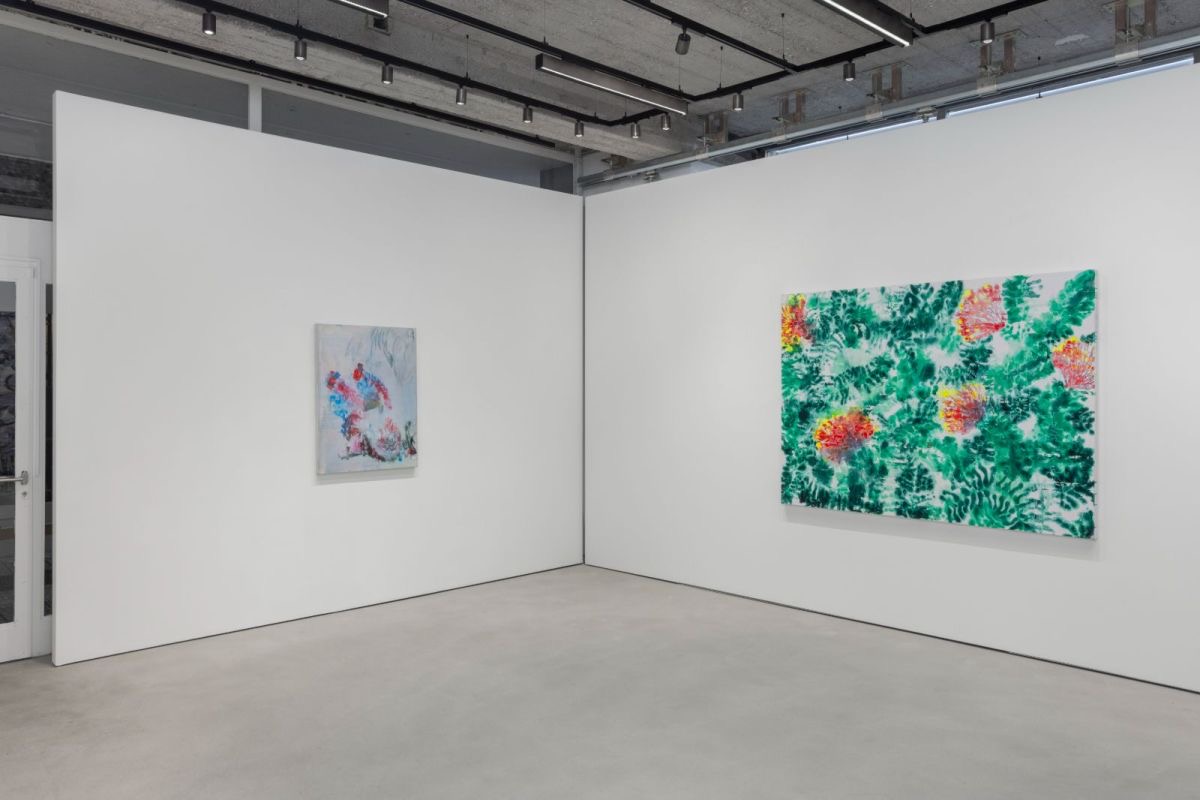
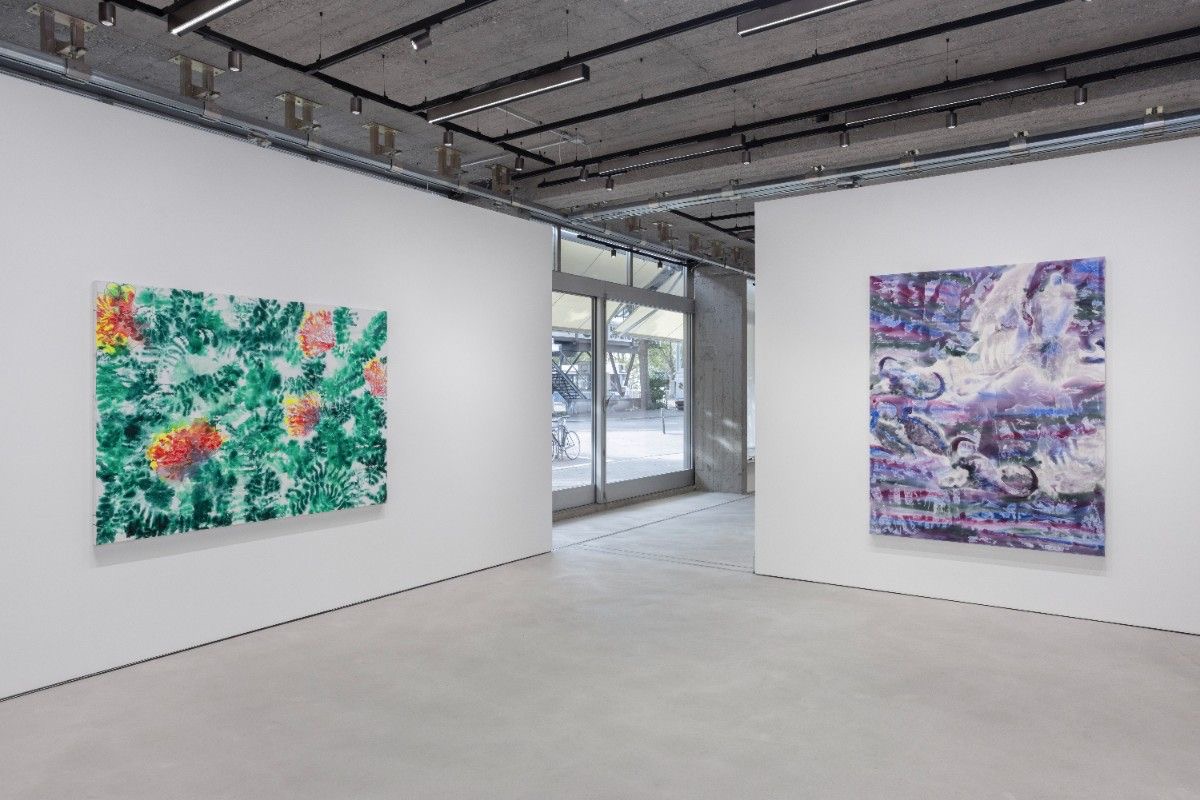
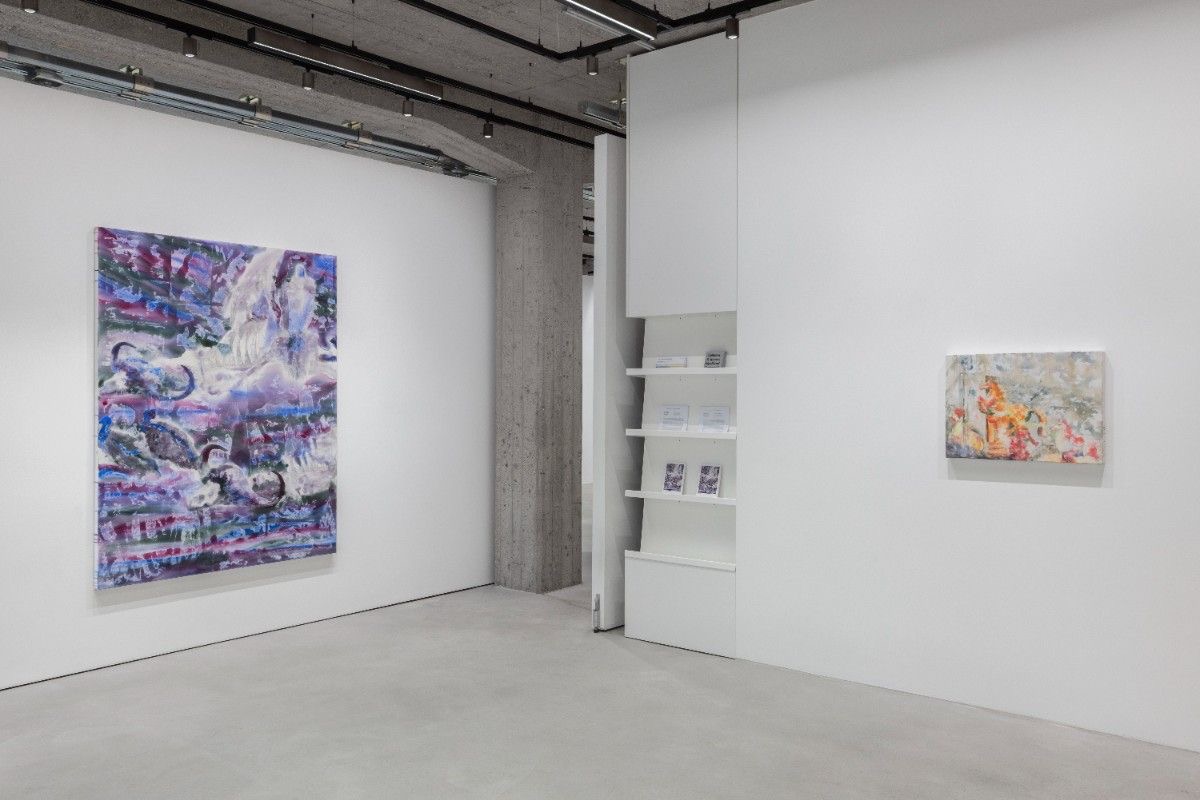
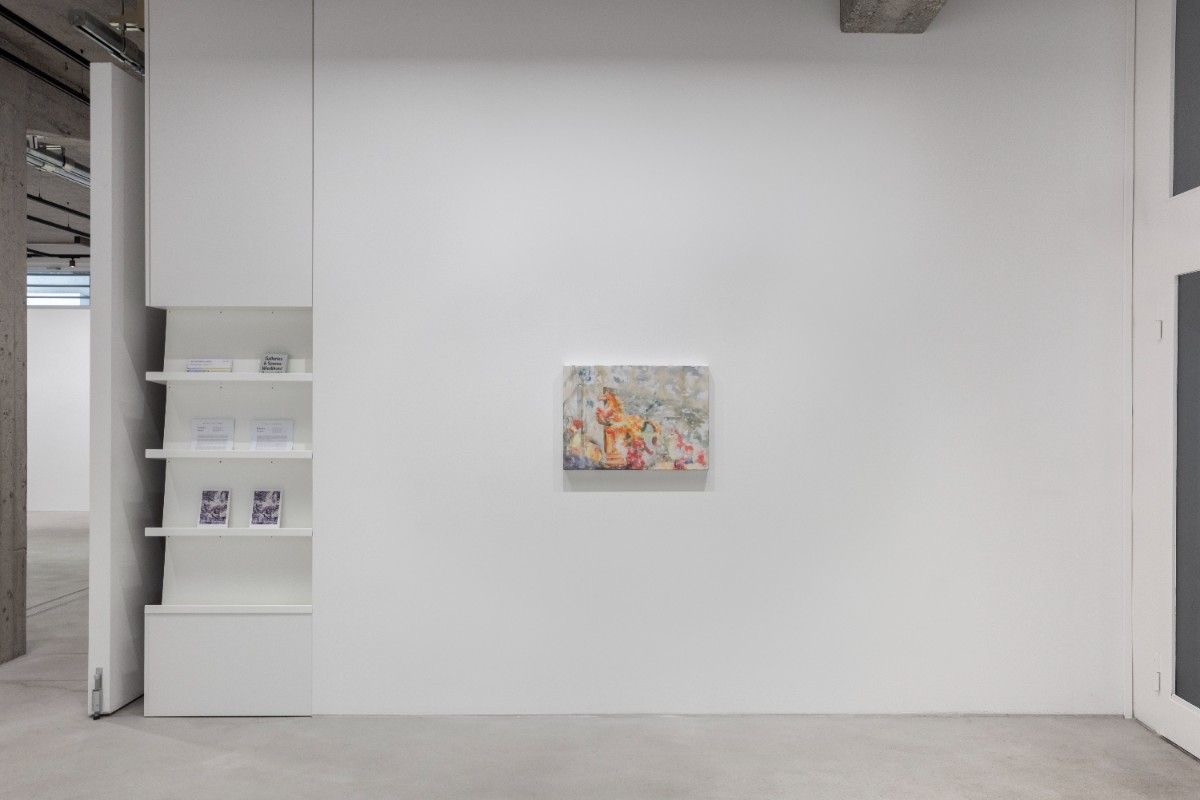
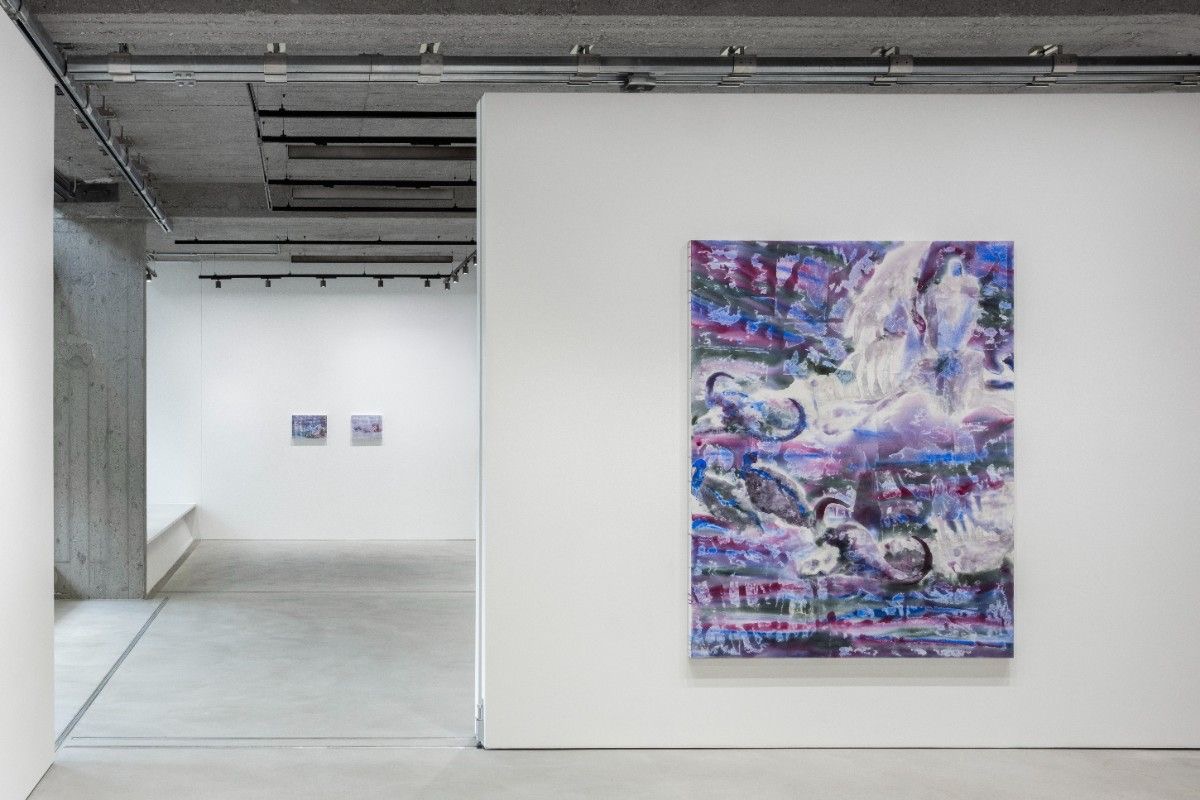
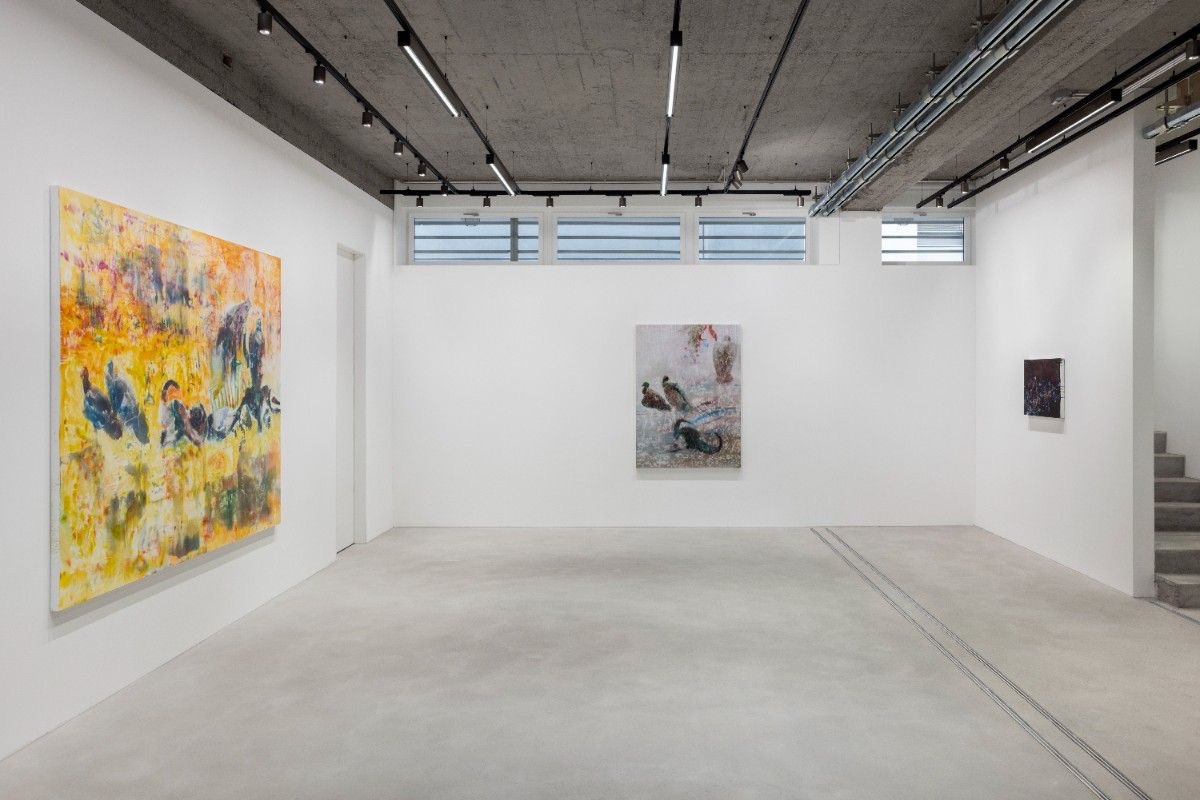
AktuellNowExhibition View, Rebekka Steiger, Horsehair takes a long time to burn, Galerie Urs Meile, Ankerstrasse, Zurich, Switzerland, September 10 - October 31, 2026. Photo: Studio Oliver Kümmerli
Galerie Urs Meile is pleased to present Horsehair takes a long time to burn, a solo exhibition by Swiss artist Rebekka Steiger (b. 1993, Zurich). Developed following a seven-month residency in Beijing, which concluded this March, the exhibition brings together a new group of paintings and, for the first time, six photographs. In these works animals, landscape, memory, and mortality merge into unstable, emotionally charged scenes.
Steiger has drawn inspiration from China and its culture since her first residency there in 2018. During her most recent stay, the horse - a recurring figure throughout her practice - took on renewed significance. Inspired by the Year of the Fire Horse, which began this past February, Steiger’s new works draw on its association with energy, independence, endurance, and loyalty, but also with restlessness and impulsiveness. Rather than making the horse a central point of reference, these qualities shape works in which different animals, landscapes, and remembered encounters offer ways to think about movement, vitality, and unruly force. These associations are not treated as a fixed symbolic system, instead, they remain open, mutable, and difficult to contain.
Steiger’s paintings often begin with fragments encountered and retained: an animal seen in passing, a remembered place, a photograph, an earlier canvas, or an image that has stayed with her without fully settling into language. In this exhibition, such fragments gather in scenes that are neither straightforward depictions nor entirely invented worlds. Animals, bodies of ice, weather, and terrain appear in shifting relation to one another. Their scale is unstable, and their settings are difficult to locate. A landscape may seem at the same time observed and imagined; a familiar animal may become strange through the way it is isolated, cropped, or held in suspension.
For this new body of work, Steiger has begun to sketch directly onto the canvas, adding sketchmarks in lumber crayon and, at times, coloured pencil alongside her established use of acrylic ink and tempera. She leaves parts of these initial marks visible, allowing lines to remain where they might conventionally be painted over. The resulting surfaces preserve the movement of looking and revising: outlines double back, forms are tested and adjusted, and painted passages sit beside more tentative traces. Rather than presenting an image as fixed or resolved, the works retain the uncertainty through which they came into being.