Source
AktuellNowCourtesy Galerie Noah Klink
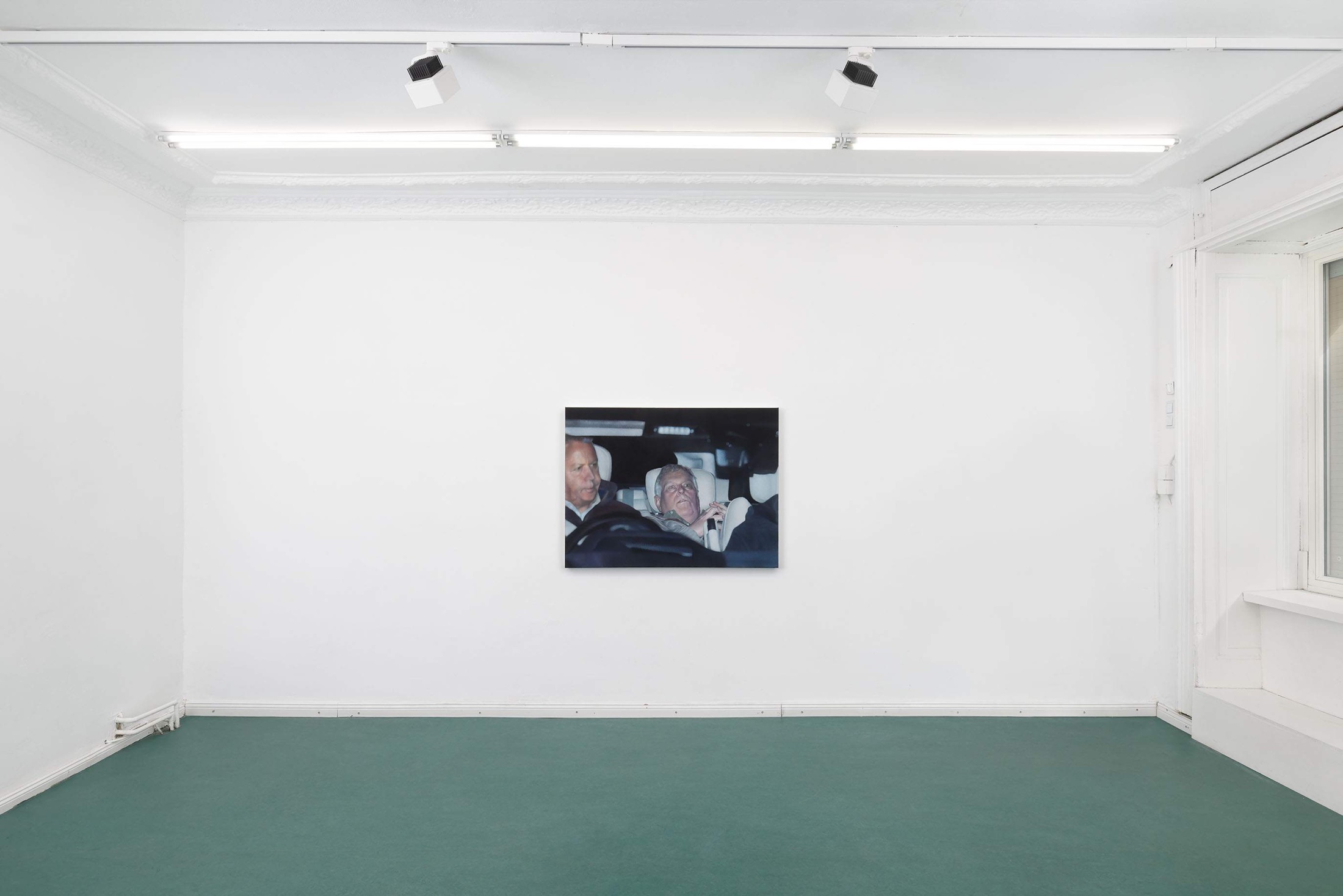
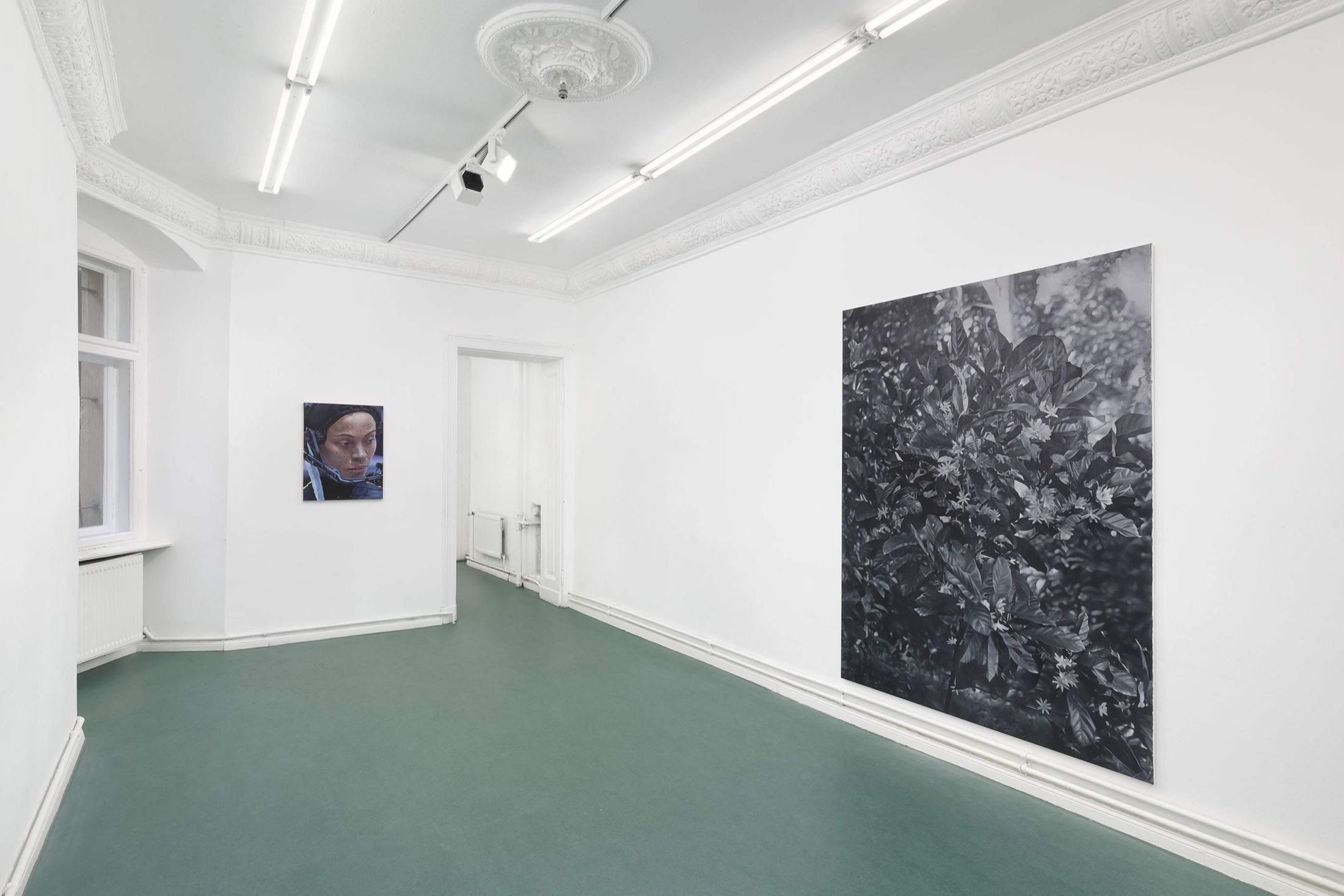
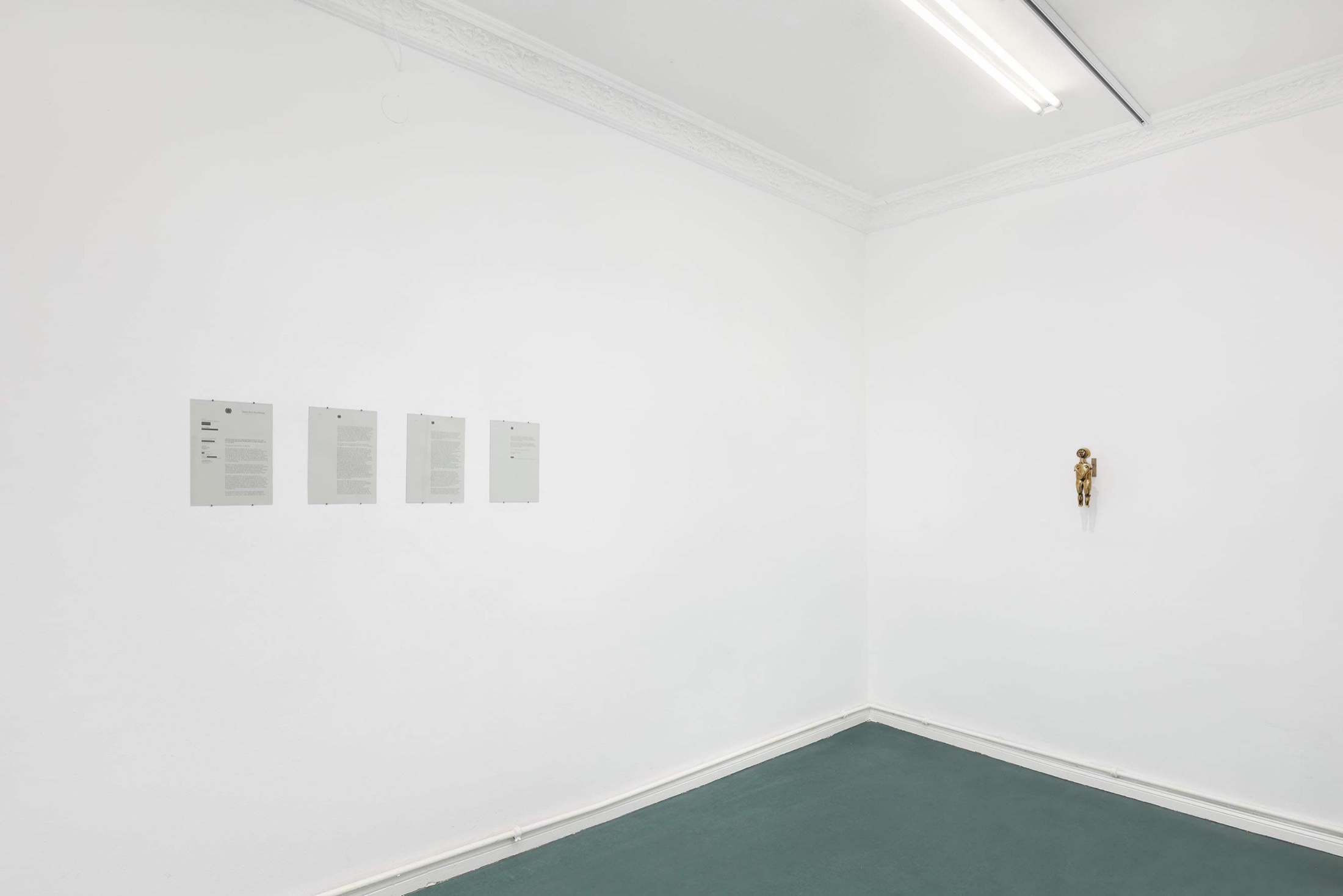
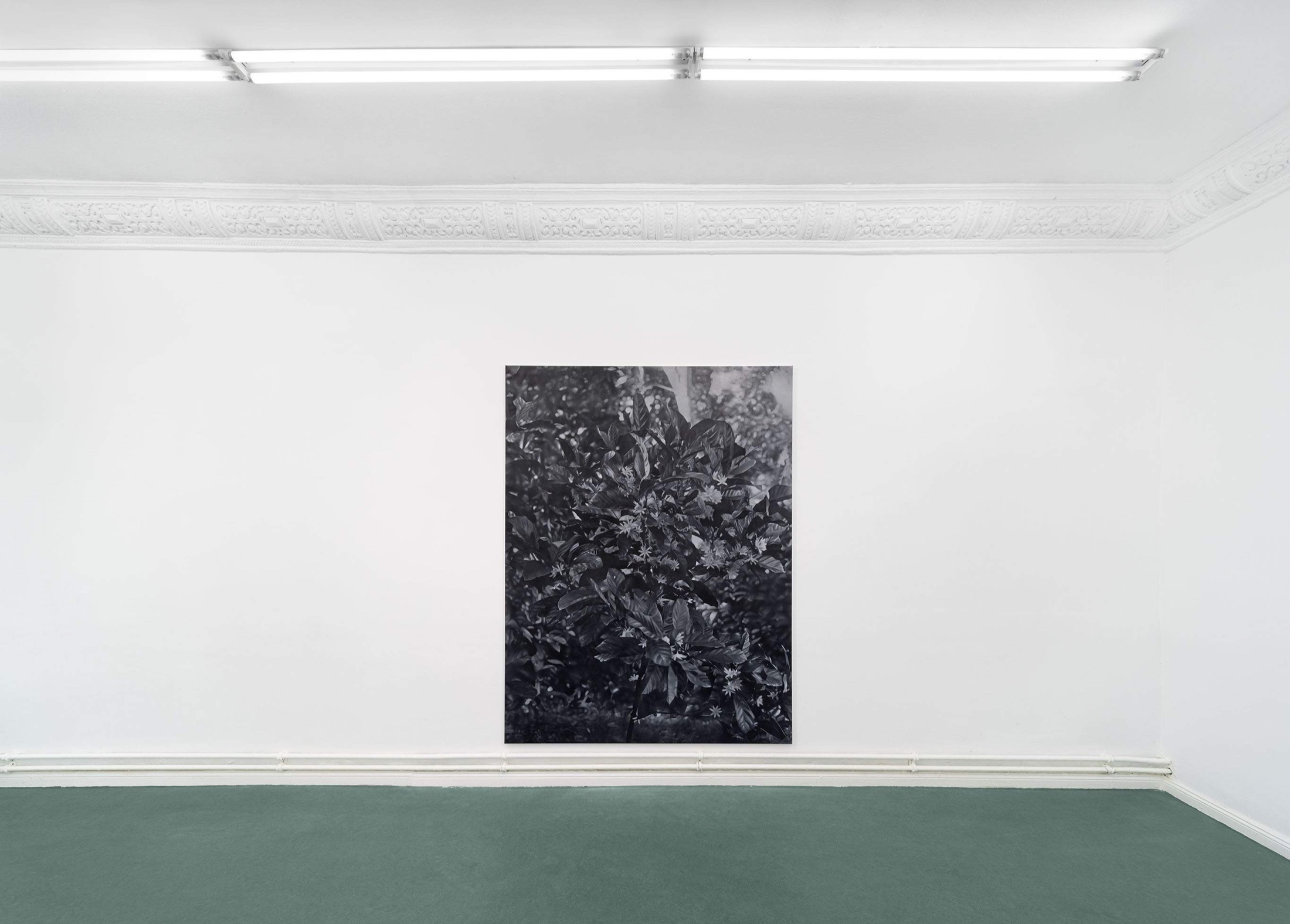
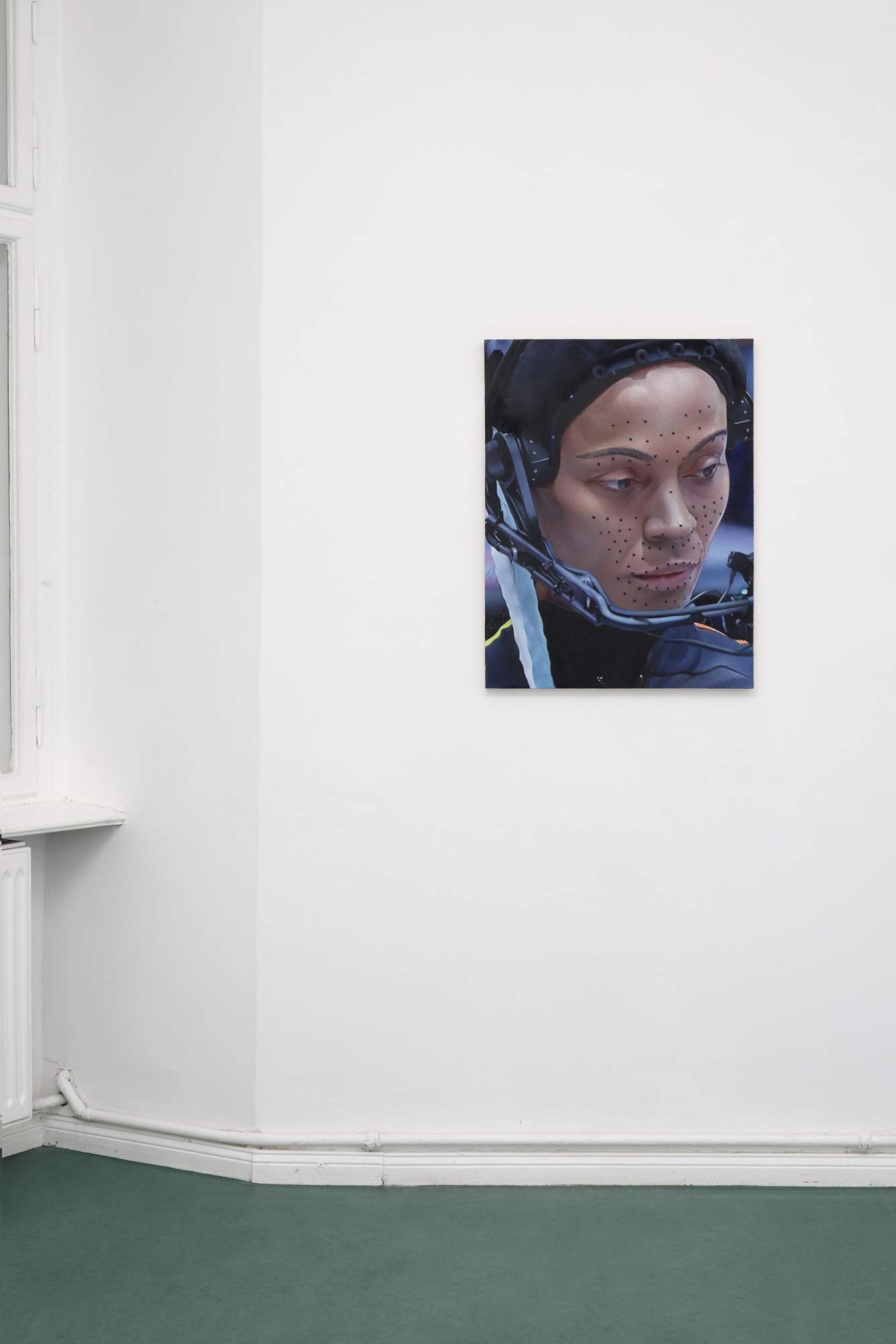
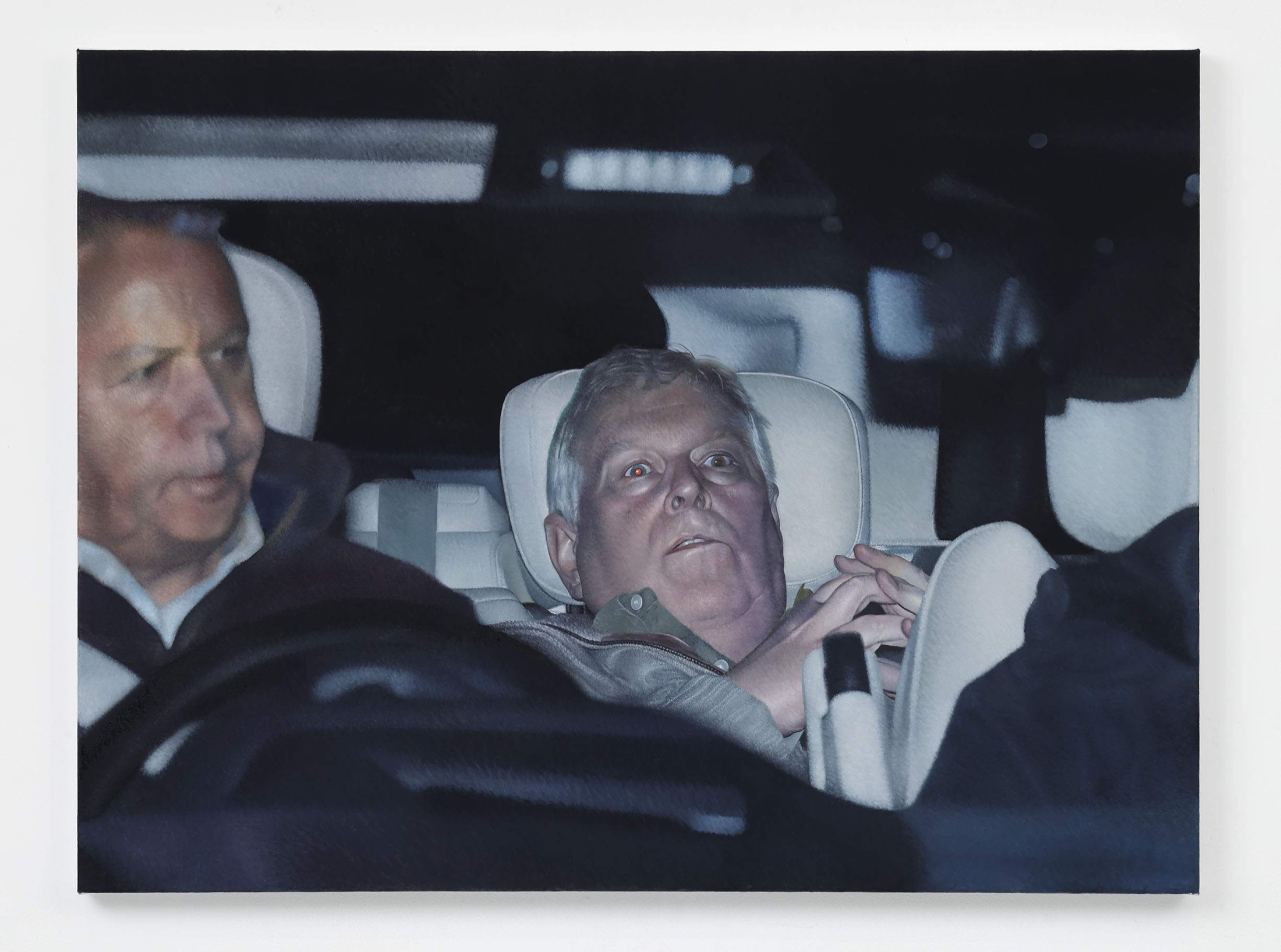
In Source, Xavier Robles de Medina confronts the concealed lineages that shape what we see: relics—land-based, human, futuristic, digital, and historical—are set before us as an archive of the present. Drawn from material ranging from contemporary media to sources predating 1850, each work requires a gaze into its histories to trace the power structures at work within it. Each seeks to reveal what hegemonic power actively suppresses, namely the conditions that produced this moment, softened and denied across crises, from ecological collapse born of coloniality to the under- and over-development of lands and peoples through racial exploitation and gendered violence; imperial-capitalist disaster. Psychiatrist-philosopher Frantz Fanon laid bare colonial architectures as governing a people’s present and future by reaching backward into the past, hollowing it out and rewriting what it finds to bend, disfigure, and break the continuity and agency of the colonized.2 Against this severing and alongside strategies of survival, Xavier Robles de Medina calls for the reconstruction of memory. Like a river breaking open at its mouth, Robles de Medina’s work disperses what it has absorbed, propelling it toward an end that looks back on itself, with what it holds pressing to be heard. We begin with the notion of source itself. Where does each source come from? What remains alive within its initial form, and what is altered by the forces that transfigure it? What does it carry through bodies, elements, and time?
A source is a field of movement as well as a point of origin, rising from underground to break the surface. It is a channel that stores memory of what it contains, dormant or awake. To follow a source is to ascend from below, guided by what the surface may disguise. The word spans multiple senses at once: emergence, inception, body of evidence. Robles de Medina paints and sculpts in each register simultaneously, taking this etymological field as his working ground. He initiates his paintings and pieces from a source image in digital circulation (a news frame, film still, archival photograph), slowly retrieving its smallest marks with photographic precision so that they start to speak. We peer closely at his exacting rendering to perceive submerged histories, undervalued bodies, and violences humming beneath the visible order. Every image is a source whose effects ripple downstream. Source also carries a sacred aspect as the origin of all life, which systems of power have sought to strip away by compressing the animate to a bare, manipulated root. This sacred dimension pushes back from the inside to defy erasure.