trennt euch
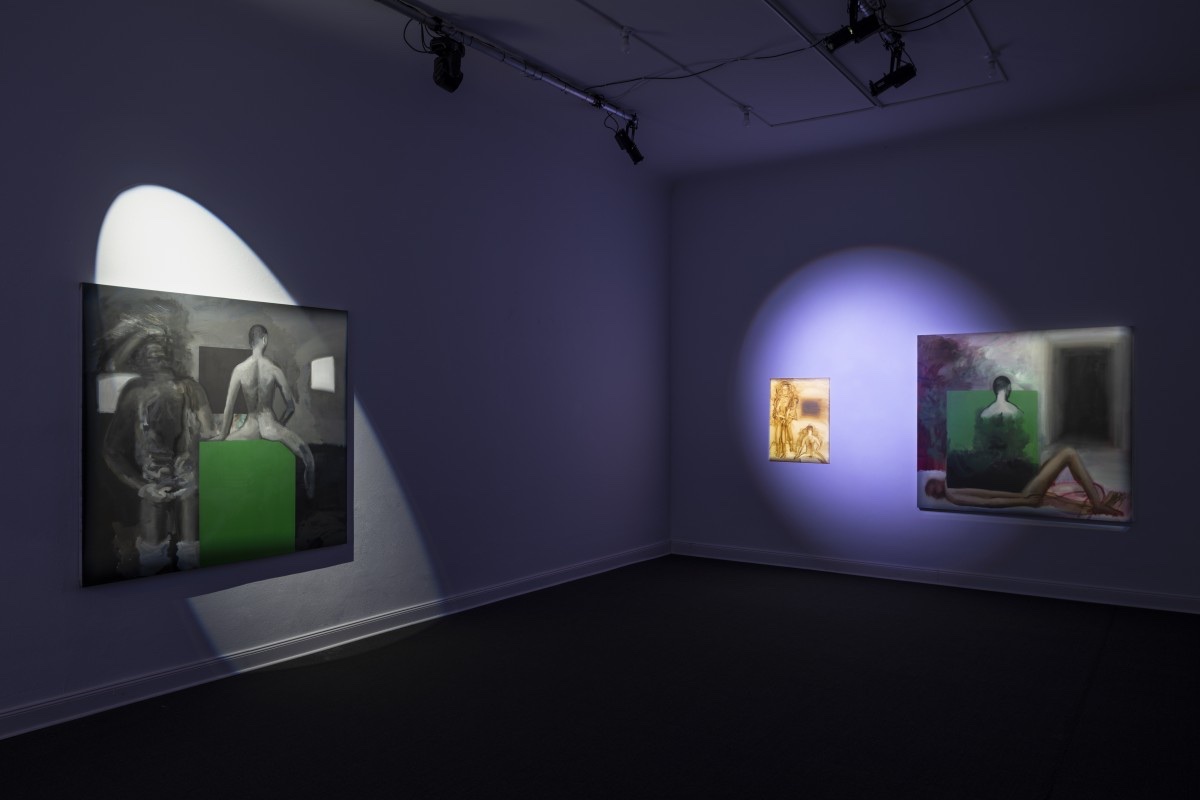
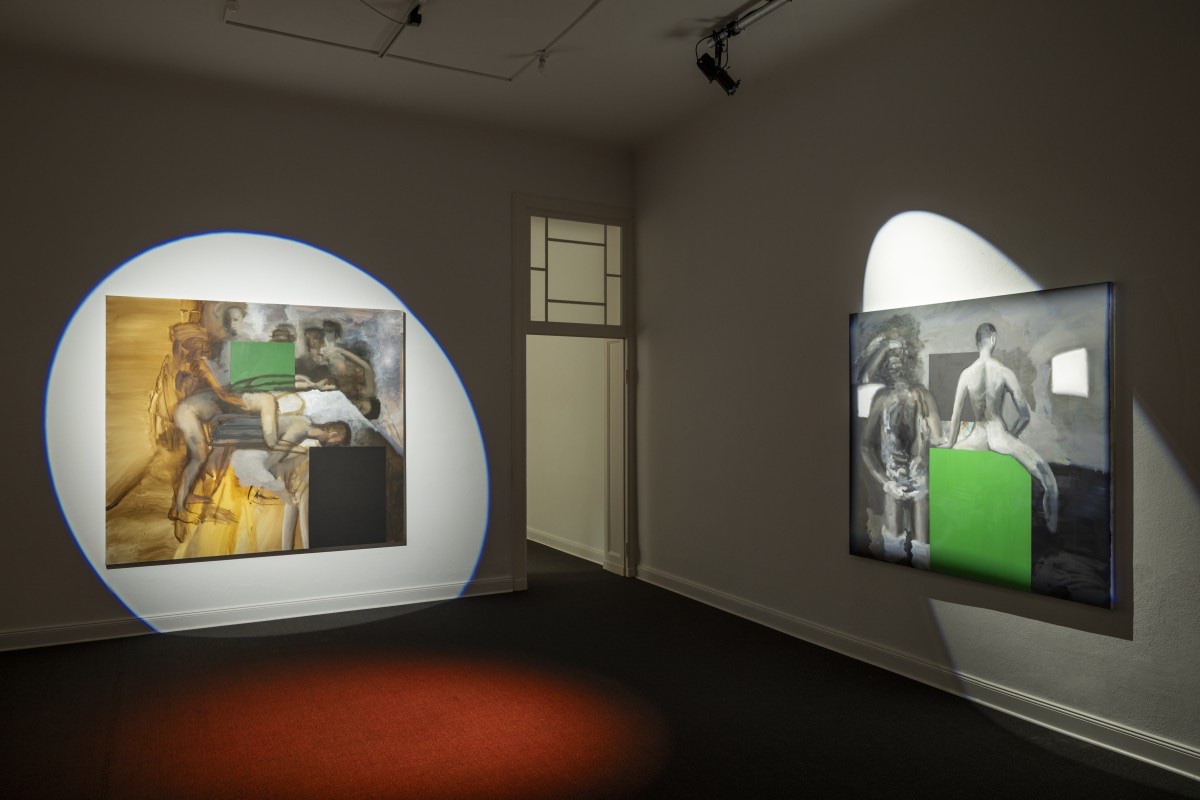
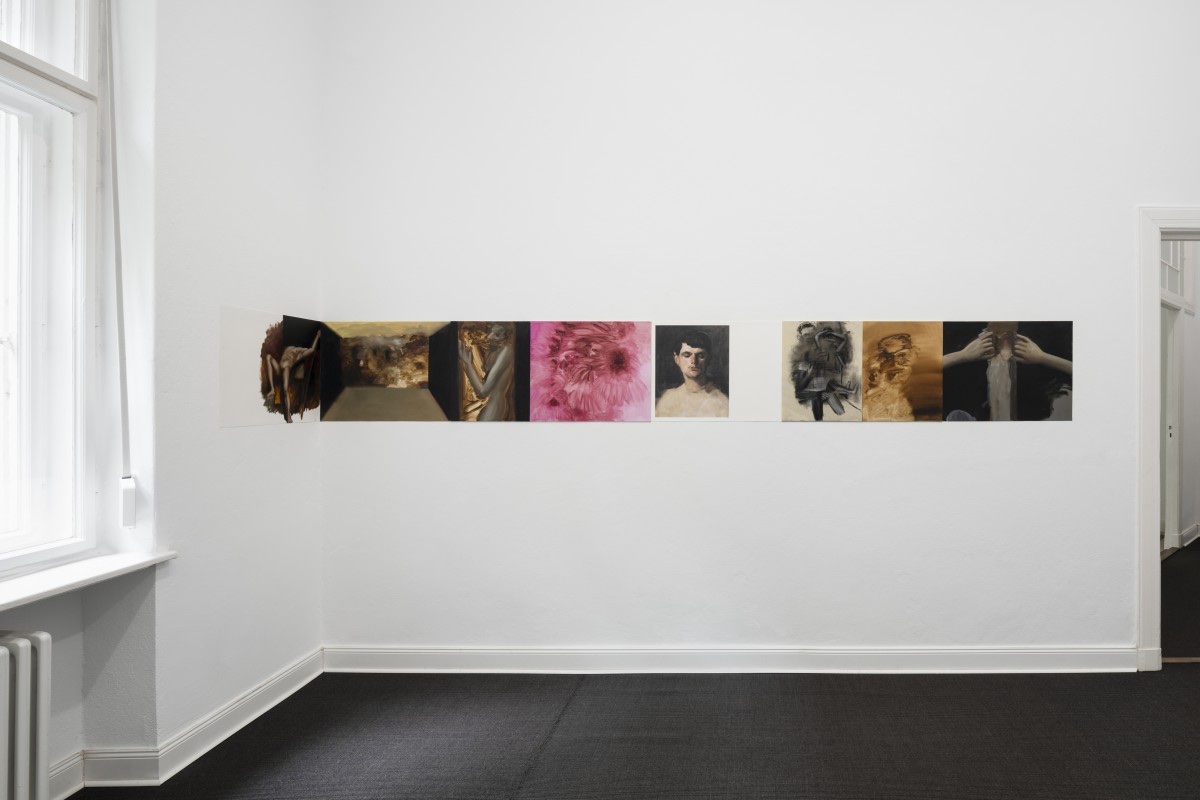
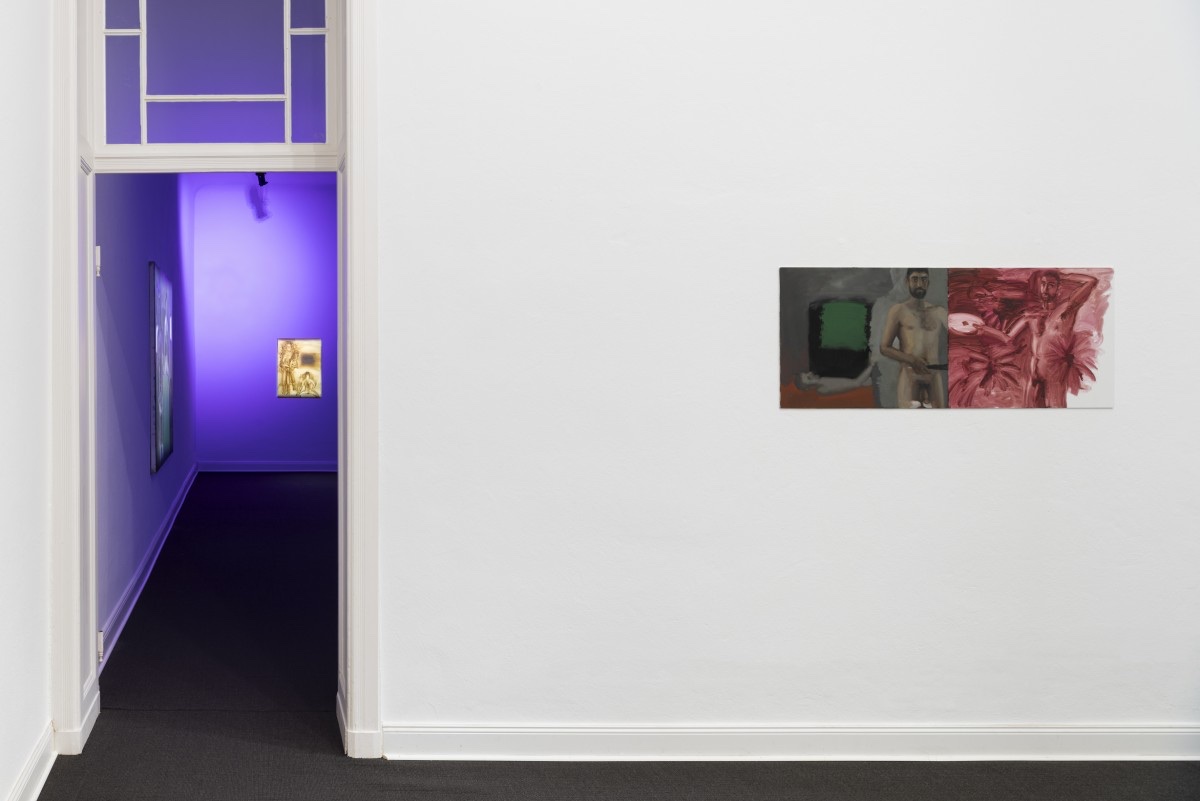
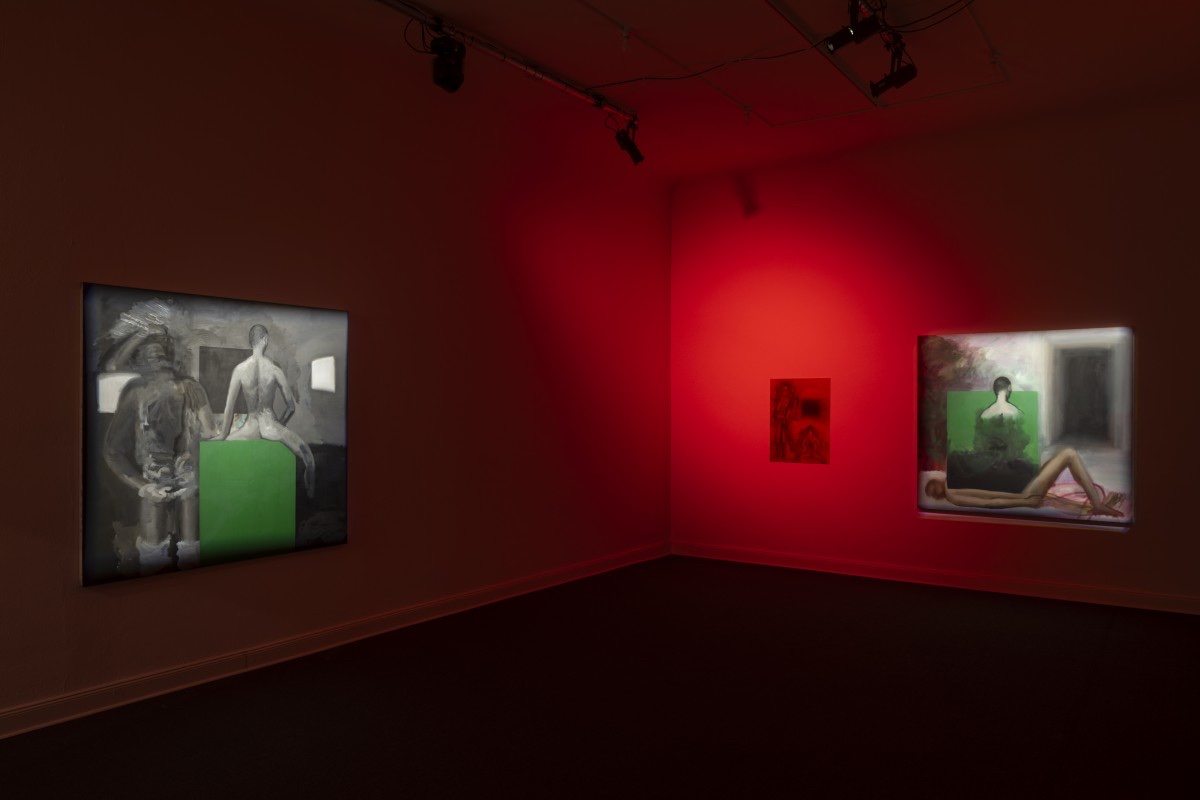
AktuellNowBild 1–5: Murat Önen, trennt euch, installation view, Galerie Max Mayer, Berlin, 2026. Photo by Ingo Kniest
Bild 6: Courtesy Galerie Max Mayer
An anal fistula comes out of a kind of anger connected to a situation I wanted to hold on to, but could not keep inside of me. It is like trying to hold on to ‘scrap’ from the past (thoughts, feelings and desires) but ultimately failing. I carry feelings of revenge towards someone or something, while at the same time holding on to resentment that I bring with me from the past. The result is a fistula - an abnormal channel that creates a connection between an internal organ and the surface of the body.
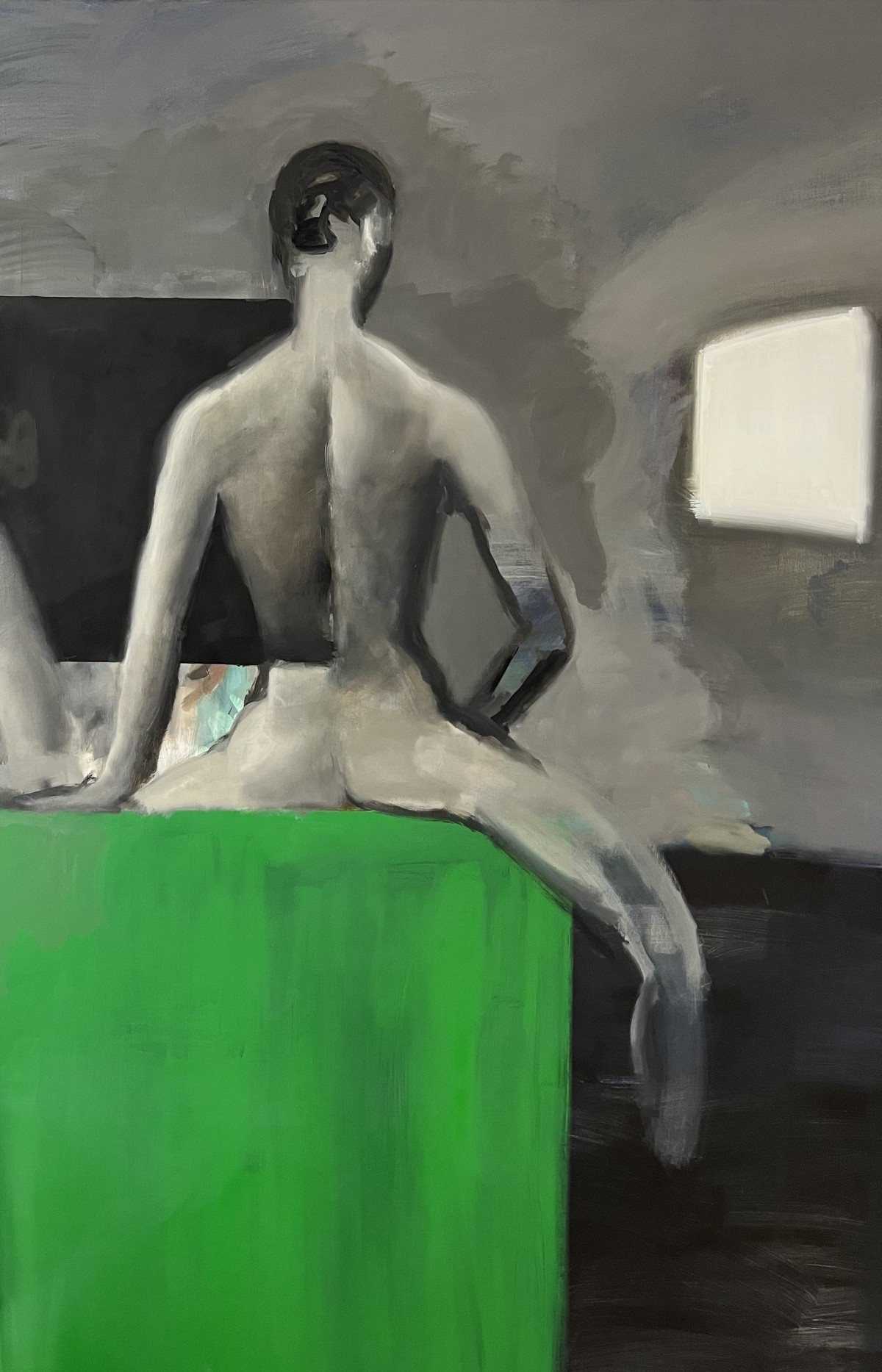
At the beginning of the year, I had surgery on my ass twice, which made me think a lot about healing. At first, I started illustrating the situations around the operations, but I quickly realized that this approach was not taking me any further. Instead, I became more and more interested in the idea of interventions and openings. I ordered a green surgical drape, which eventually became, together with the painted holes, the starting point for my new work. The shapes developed into squares, becoming a recurring element in the paintings that can be read as an object, an intervention, a form of censorship, or space.
This element helped me to distance myself somewhat from the narrative and instead show a state in which I could explore the different possibilities of painting. I gradually moved away from art-historical references and began developing a new vocabulary through a reduced visual language.
I am still trying to make the conflict itself the subject - the struggle between control and letting go. Despite their different aesthetics, I want the paintings to remain connected and to be read as different states within a shared process. Raw Umber plays an important role in this. It is a colour that was often used by the Old Masters as an underpainting. I deliberately left parts of the underpainting visible, while developing others into a more abstract visual language. At the same time, I decided to return to working directly and without photographic references - painting myself in front of a mirror or inviting people to sit for me and painting them live.
In the gallery’s smaller exhibition room, I am trying to bring these different aspects of my work together. The individual paintings do not only stand on their own, but enter into a relationship with one another, forming a kind of experimental setup in which different states and possibilities can exist side by side. Working with only a few art-historical references has helped me to move away from what is already familiar and to arrive more fully in the present.
In the exhibition room, I wanted to deliberately push myself and try something new. For about a year and a half, I have been studying classical Turkish singing and taking singing lessons. Through this, I have been learning a lot about traditional Turkish music and the different Makams used to evoke particular emotions. The sound in the exhibition grew out of this learning process: I took individual passages from songs I had sung during my lessons and edited them together; my teacher played the kanun alongside them. The installation extends my exploration of voice and expression beyond painting.
As I write this text, I still do not know exactly what the whole thing will look like in the end. I am interested in different aspects of making art, and I want to use the opportunity and the space I have been given to find new ways of working and to try them out. Maybe it is also about giving myself permission to fail. But most importantly, I want to find my own voice.
Murat Önen, August 2026