The Nature of Spiritual Power in Color and Shape
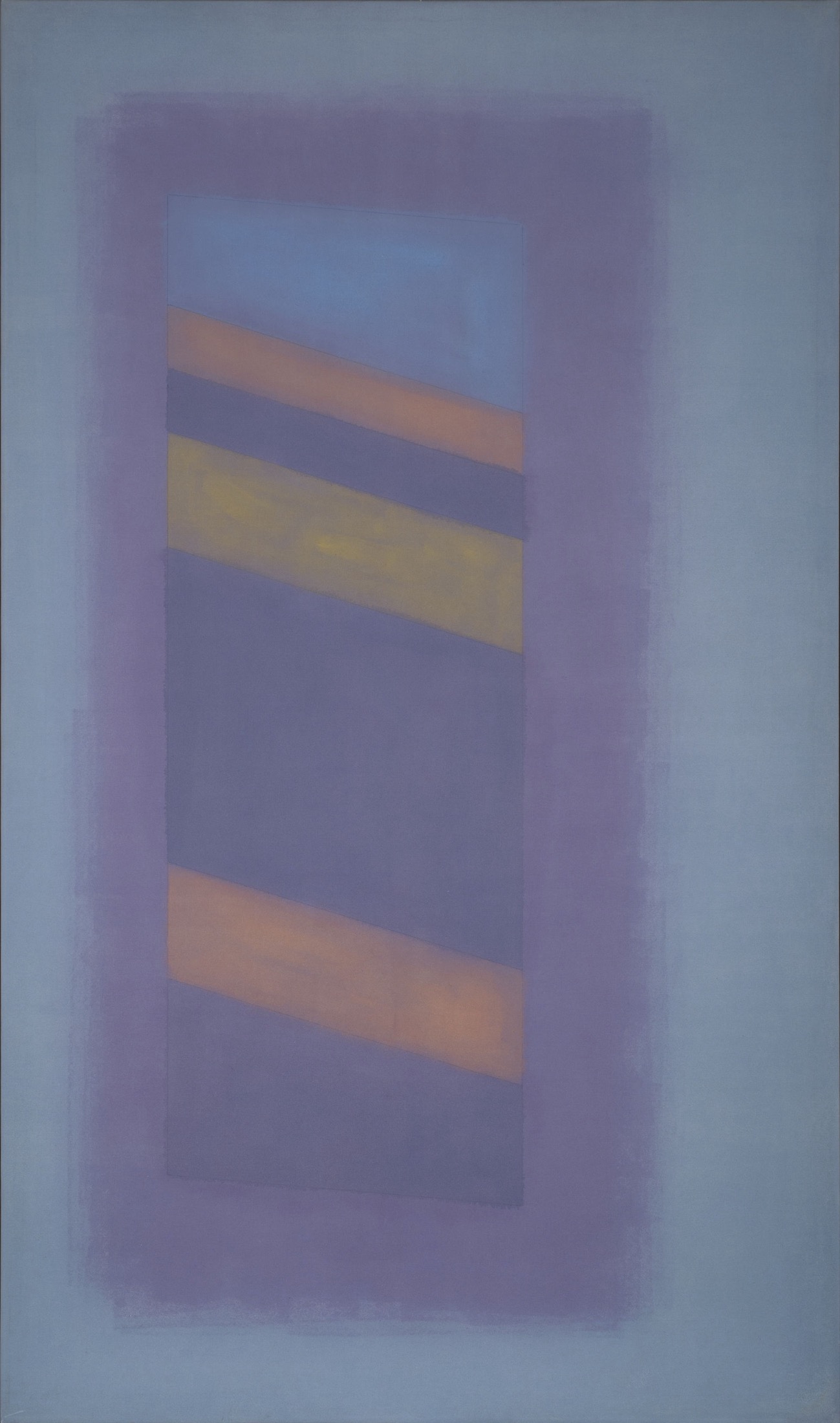
AktuellNowBild 1: Charles Pollock NY 14, 1969 Acrylic on canvas 212 x 127 cm 83 1/2 x 50 in
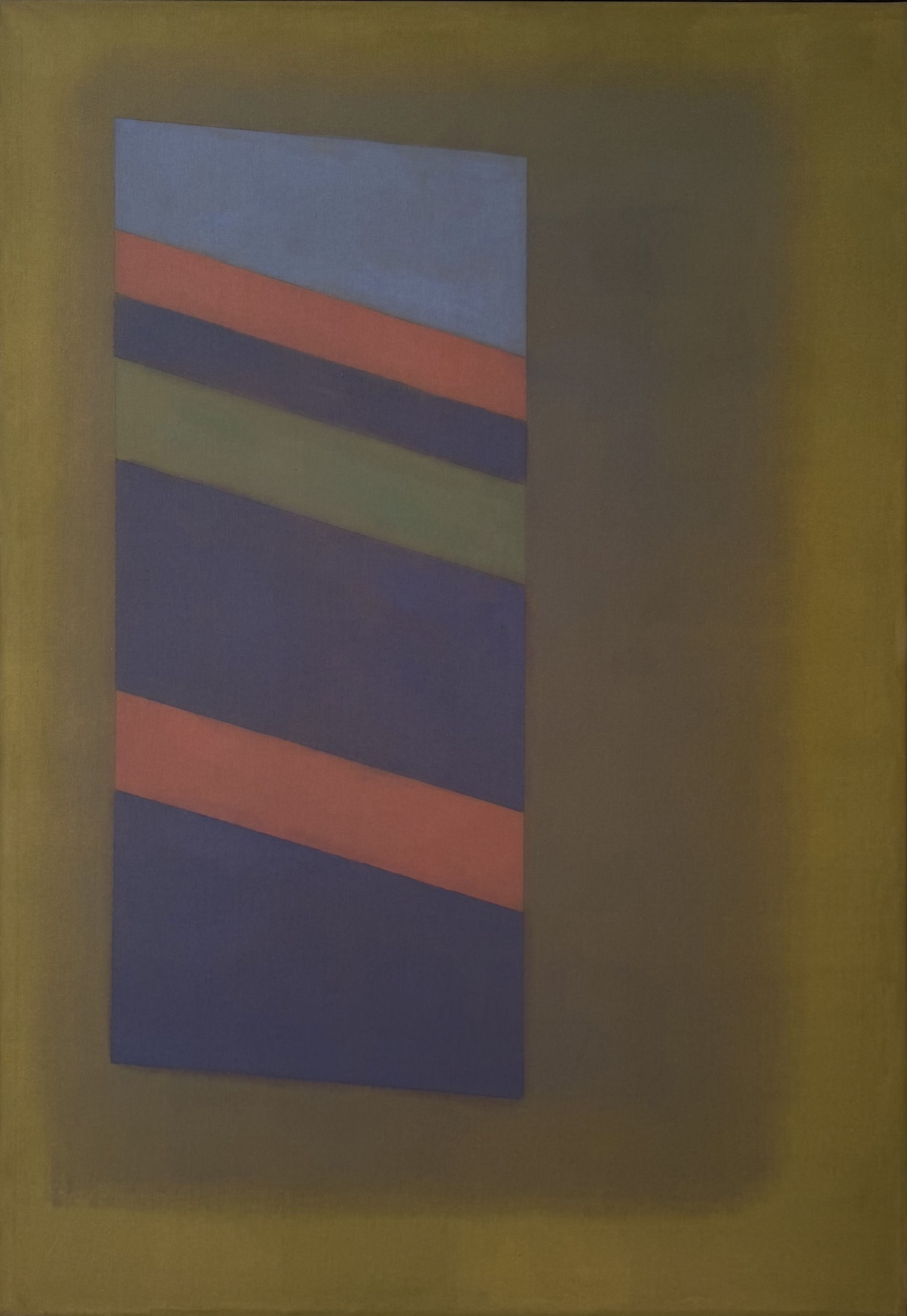
Bild 2: Charles Pollock NY 21, 1969 Acrylic on canvas 183 x 127 cm 72 x 50 in
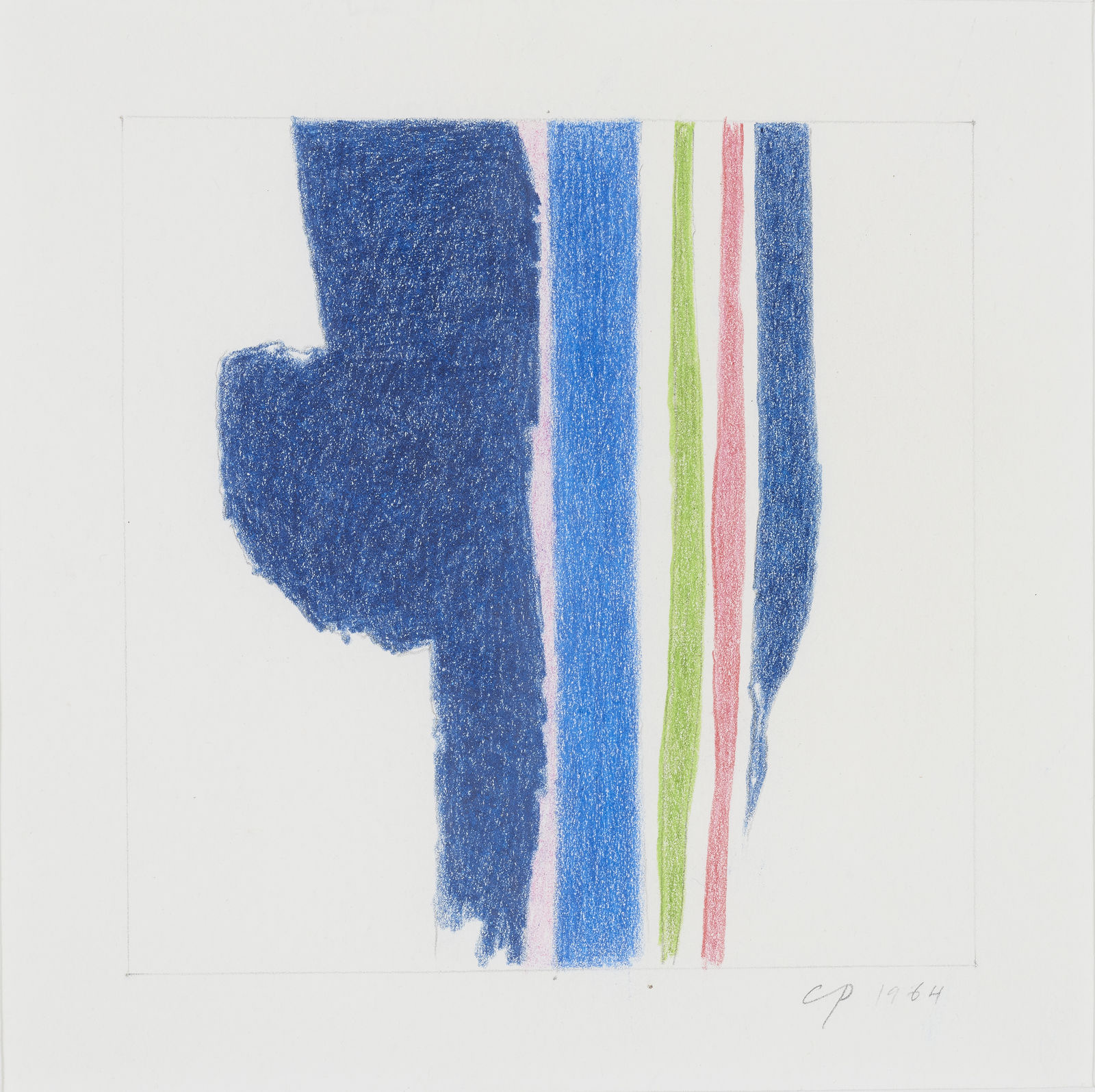
Bild 3: Charles Pollock Crayon #15, 1964 Colored pencil on rag paper 11 x 8 1/2 in 28 x 21.5 cm
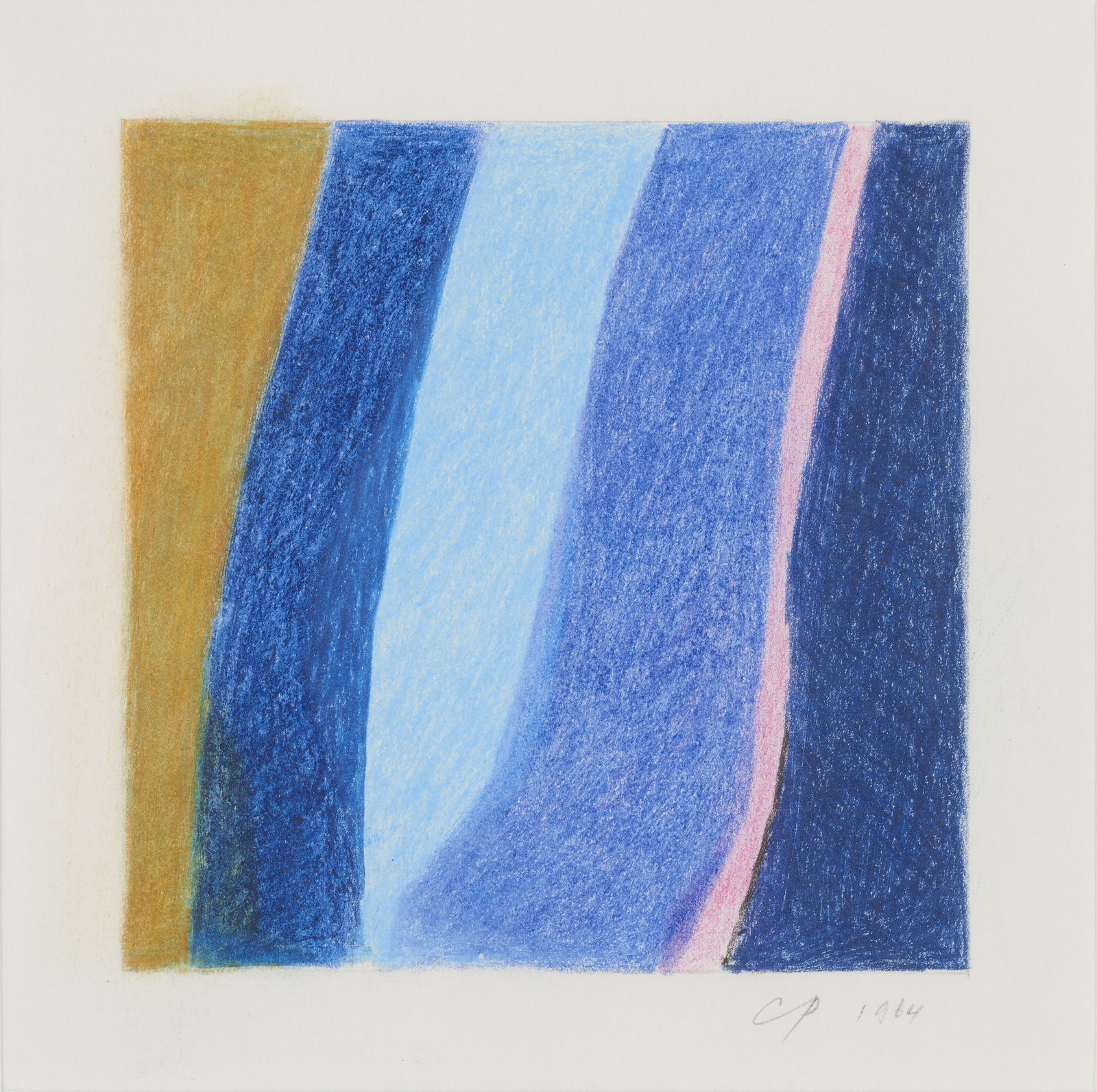
Bild 4: Charles Pollock Crayon #8, 1964 Colored pencil on rag paper 11 x 8 1/2 in 28 x 21.5 cm
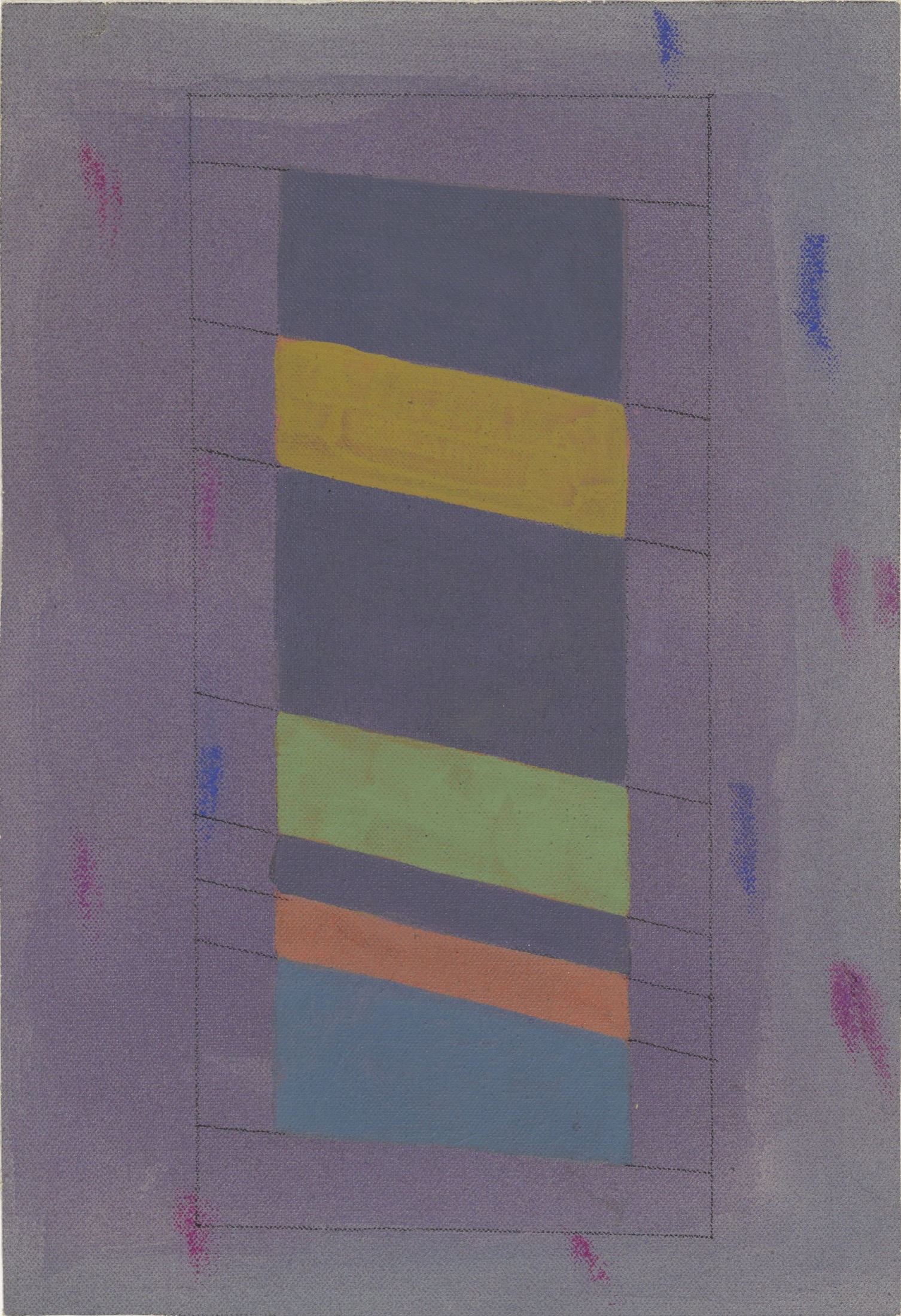
Bild 5: Charles Pollock NY Study, 1969 Acrylic on canvas 30 x 21 cm 11 3/4 x 8 1/4 in
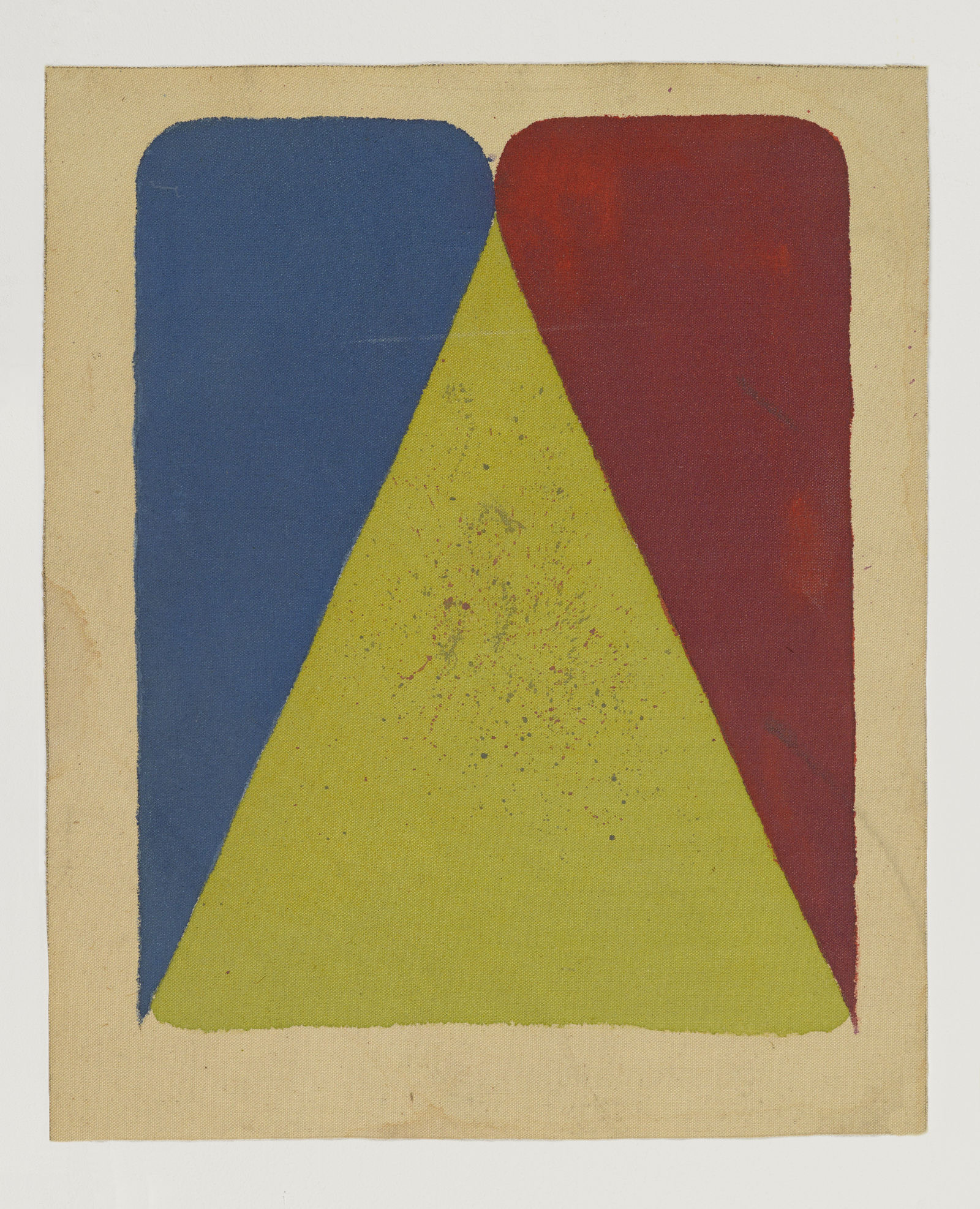
Bild 6: Charles Pollock Untitled Painting, 1965 Acrylic on canvas 15 1/8 x 12 5/8 in 38.5 x 32 cm
Following its presentation in Horn, The Nature of Spiritual Power in Color and Shape concludes in Munich with thirteen works by Charles Pollock (1902–1988). Expanded by new works from The Charles Pollock Archives in Paris, the presentation traces Pollock’s color in the 1960s, from the Crayon drawings to the New York paintings NY 14 and NY 21.
Developed in collaboration with Francesca Pollock and The Charles Pollock Archives, Paris.
american contemporary art GALLERY is pleased to present The Nature of Spiritual Power in Color and Shape, an exhibition of works by Charles Pollock (1902–1988)—the eldest brother of Jackson Pollock (in total five brothers)—at its space in Munich, the second and final venue of the exhibition following its presentation at the gallery’s lakefront space in Horn, Switzerland.
Bringing together paintings and works on paper spanning 1956 to 1969, the presentation in Munich offers insight into Pollock’s sustained engagement with color, structure, and rhythm. For its final venue, the exhibition is expanded by a group of works from The Charles Pollock Archives in Paris—colored-pencil drawings from the Crayon series (1964–65) and an untitled painting from 1965—which join the exhibition for the first time.
Opening with a drawing from the Chapala series (Mexico, 1956), the Munich selection concentrates on the 1960s, from the Crayon drawings and collages using Color-Aid paper to the paintings of the New York years.
Between 1964 and 1968, after Charles Pollock returned to Michigan from Rome, his colors were striking—the most vibrant and colorful they would ever be. The Crayon drawings, small sheets in colored pencil on rag paper, belong to this moment. In them, as Terence Maloon has written, Pollock “envisaged how sections of color could connote shapes torn from large sheets of paper”; the aim was that these compositions “seemed to be formed by the color itself, by its flow and spread, by its radiation and saturation, by pitches and ratios that sang’ together.” The collages of 1967 continue this inquiry with Color-Aid, the silk-screen coated paper that had been used by his wife Sylvia Winter in Josef Albers’s color classes at the Yale School of Art and Architecture. In Pollock’s own words, from 1965:
“Color – the resonance of color, and the tensions and fluxes of this resonance – and luminosity, is the means by which a dialog is possible between the painter and his world.”
Charles Pollock, 1965
In 1968, after retiring from teaching, Pollock moved to New York and found a studio at 222 Bowery (see image above), the building where Mark Rothko had painted his Seagram murals. There, between 1968 and 1971, he painted the NY series. Some of these works were based on the “Stack” motif from the last series in Michigan, but here the stacks were detached from their anchors top and bottom; in New York they were made to float in various plain or adorned spaces. For the background, Pollock used muted colors which give these works a meditative aspect, as in NY 14 (1969), shown in Munich together with its study and with NY 21 (1969). Writing in The New York Times in 1987, Michael Brenson observed of Pollock’s paintings: “All are informed by the tension between something lyrical and atmospheric and something almost diagrammatic, a tension that situates the work somewhere between Abstract Expressionism and Color-Field painting.”
Shown first in Horn and now in Munich, the exhibition continues the gallery’s long-standing collaboration with The Charles Pollock Archives and follows the exhibition and publication activity realized since 2008, which has contributed to the reception of Pollock’s work in Europe.
The exhibition is accompanied by a fully illustrated catalogue published by the gallery, featuring an essay by Kirstin Hübner.